
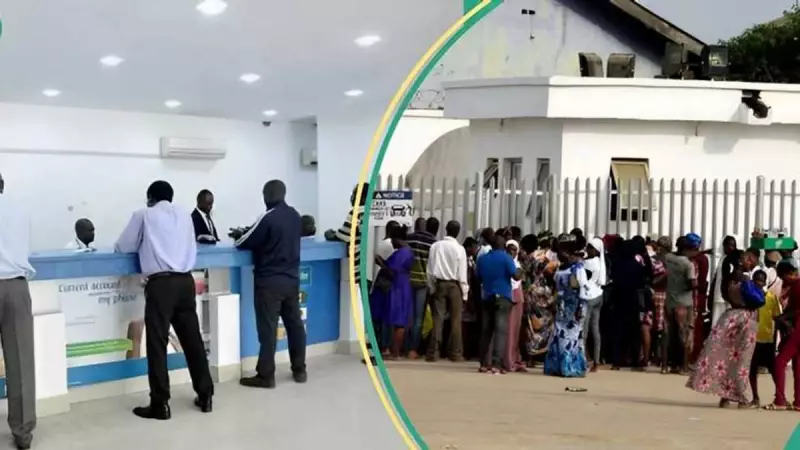
The Central Bank of Nigeria has disclosed a dramatic escalation in customer complaints against financial institutions, with electronic transaction failures and fraudulent activities emerging as the primary sources of consumer dissatisfaction. According to the apex bank's latest Financial Stability Report covering the first half of 2025, the volume of complaints skyrocketed by an alarming 143.3% compared to the same period in 2024.
Resolution Rates and Complaint Volume Analysis
During the six-month period under review, the CBN successfully addressed 9,771 out of 10,704 submitted complaints, representing a resolution rate of approximately 91.3%. This marks a 4.57% improvement from the preceding half-year, when 9,344 complaints were resolved. The substantial increase in complaint volume—from 4,398 cases in H1 2024 to 10,704 cases in H1 2025—reflects growing consumer awareness and enhanced regulatory focus on complaint reporting mechanisms.
Primary Complaint Categories and Financial Impact
Electronic transactions and card service issues dominated the complaint landscape, constituting 51.50% of all grievances. Fraud-related cases followed closely behind at 39.27%, while account management problems, excessive charges, and other concerns made up the remaining percentage. Commercial, Merchant, and Non-Interest Banks bore the brunt of these complaints, accounting for 53.45% of all cases, with Other Financial Institutions responsible for the remaining 46.55%.
The financial implications of these complaints reached staggering proportions, with total claims amounting to N21.42 billion and $5.09 million—a substantial increase from N4.53 billion and $1.05 million recorded in the second half of 2024. Affected customers received refunds totaling N7.17 billion and $3,432.20 during the review period.
Evolving Fraud Landscape and Regulatory Response
While Nigerian banks have made significant progress in combating traditional fraud methods like ATM card cloning through enhanced security measures such as chip-and-PIN technology and Bank Verification Number integration with National Identification Numbers, new and sophisticated threats continue to emerge. The CBN has identified rising trends in online scams, social engineering attacks, SIM-swap fraud, insider collusion, and authorized push payment scams where customers are manipulated into approving fraudulent transfers.
Enhanced Fraud Response Protocols
In response to these challenges, the Central Bank has mandated financial institutions to address fraud complaints within 30 minutes of notification. This directive aims to facilitate quicker recovery of stolen funds, minimize customer losses, and reduce systemic risks to Nigeria's financial infrastructure. The accelerated response framework represents a proactive approach to containing the escalating fraud epidemic affecting banking customers nationwide.
Emerging Cybersecurity Threats
Financial institutions are confronting increasingly sophisticated cyber threats, with Wema Bank recently alerting customers about a newly identified malware called "Brokewell." This malicious software, distributed through phishing emails and compromised websites, is designed to harvest personal data and banking credentials, enabling fraudsters to compromise accounts and execute unauthorized transactions. The discovery underscores the continuous evolution of digital threats facing Nigeria's banking sector.
The CBN attributes the complaint surge to multiple factors, including heightened consumer rights awareness, strengthened regulatory emphasis on complaint documentation, and growing public confidence in the bank's redress mechanisms. As electronic banking continues to expand across Nigeria, these findings highlight the critical need for robust consumer protection frameworks and enhanced cybersecurity measures within the financial services industry.




