
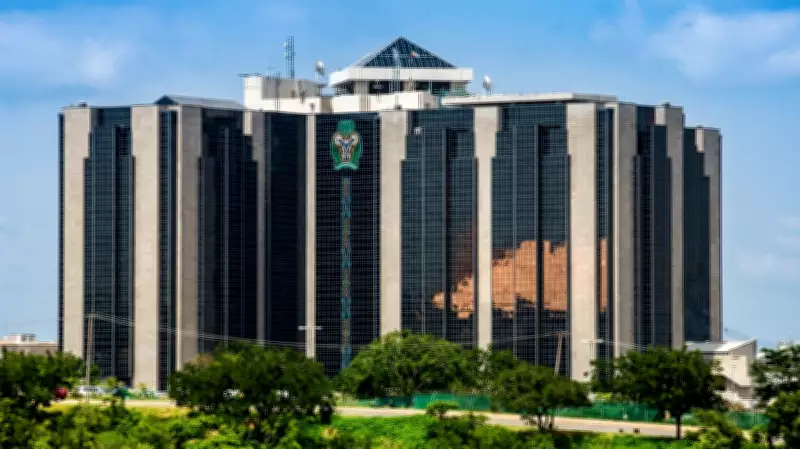
The Central Bank of Nigeria (CBN) has called on state governments to curtail their reliance on overdrafts and short-term borrowing, warning that poor fiscal practices at the sub-national level could jeopardize the planned shift to an inflation-targeting monetary policy framework. The apex bank issued the warning in a statement following an engagement with sub-national stakeholders organized through the Secretariat of the Nigerian Governors’ Forum (NGF) in Abuja.
Call for Fiscal Discipline
Muhammad Abdullahi, the CBN Deputy Governor in charge of the Economic Policy Directorate, emphasized that state governments must adopt stronger fiscal discipline to support price stability and ongoing macroeconomic reforms. He urged states to reduce their dependence on overdrafts and short-term financing, ensure borrowing aligns with debt sustainability thresholds, improve budget realism and revenue forecasting, prioritize expenditure, and synchronize fiscal calendars with prevailing macroeconomic conditions.
Inflation Targeting Framework
Abdullahi described the transition to inflation targeting as a more transparent and forward-looking monetary framework that requires close coordination between the CBN and state governments. He noted that while the central bank is responsible for monetary policy decisions aimed at controlling inflation, fiscal actions by state governments significantly influence inflation outcomes in a federal system like Nigeria. He warned that inflation targeting relies heavily on managing economic expectations, and expansionary spending by states could undermine the effectiveness of monetary policy measures.
According to Abdullahi, state governments affect inflation through their borrowing patterns, debt accumulation, spending decisions, wage bills, project execution, salary arrears, contractor financing, and cash management practices tied to Federation Account Allocation Committee (FAAC) allocations. He stated, “In an inflation-targeting regime, persistent, unpredictable or expansionary fiscal behaviour at the sub-national level can significantly undermine price stability.” He added that avoiding fiscal dominance, where governments pressure the central bank to finance deficits, is a key condition for successful inflation targeting, applicable to both federal and state governments.
The deputy governor outlined key responsibilities expected from states under the framework, including maintaining fiscal discipline and predictability, pursuing responsible borrowing, improving coordination on cash and debt management, and strengthening internally generated revenue (IGR).
Non-Interest Finance Governance
Meanwhile, the CBN announced that it is leveraging governance, regulatory clarity, and risk management in the non-interest financial services industry to sustain public confidence, financial stability, and the orderly growth of non-interest banking. This was stated during the 2nd Annual Interactive Session between the CBN Financial Regulation Advisory Council of Experts (FRACE) and the Advisory Committees of Experts (ACE) of Non-Interest Financial Institutions (NIFIs), held in Shia.
In an address delivered on behalf of the Deputy Governor, Financial System Stability, Philip Ikeazor, Dr Rita Ijeoma Sike, Director of the Financial Policy and Regulation Department, described the session as a strategic platform for strengthening the credibility, resilience, and soundness of the non-interest financial services industry. Ikeazor said the engagement builds on the foundation laid during the inaugural session and reinforces the CBN’s commitment to sustaining a sound, credible, and resilient non-interest financial system anchored on strong governance, effective compliance, and prudent risk management.
He noted that NIFIs continue to play an increasingly strategic role in Nigeria’s financial system by providing ethical and Shariah-compliant alternatives to conventional finance while contributing to financial inclusion, real sector financing, MSME development, and shared prosperity. However, as the industry grows in sophistication and interconnectedness, it also faces unique risks, including non-compliance, governance challenges, operational vulnerabilities, and emerging technological threats. The deputy governor warned that if not properly managed, these risks could undermine public confidence, financial stability, and the credibility of the non-interest finance ecosystem.




