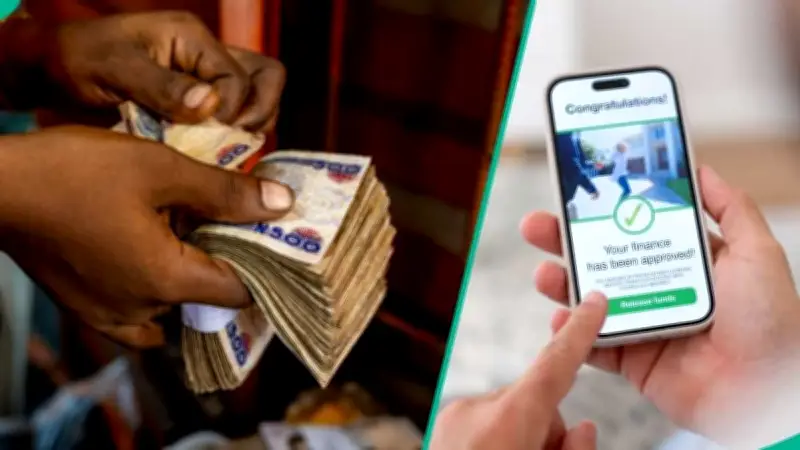
Digital lenders in Nigeria are overhauling their approval systems to comply with the Federal Competition and Consumer Protection Commission (FCCPC) regulations that took effect in July 2025, making instant loans harder to obtain for borrowers with poor repayment records, unstable income, or multiple active loans.
New FCCPC Regulations Reshape Digital Lending
The Digital, Electronic, Online and Non-Traditional Consumer Lending Regulations, 2025, introduced in July 2025, require digital lenders to evaluate a borrower's ability to repay before approving any loan. The rules also ban unsolicited or automatic credit offers and mandate a full breakdown of interest rates, fees, and other charges before any agreement is signed.
Previously, many lending platforms offered near-instant approvals with minimal paperwork, allowing users to receive funds within minutes. The new framework shifts this model, pushing operators to examine financial capacity more carefully rather than processing applications on limited data.
Compliance Requirements and Penalties
Lenders must now treat borrowers fairly, protect personal and financial information, offer transparent loan terms, and maintain complaint channels for customers. Operators that fall short face sanctions, including fines of up to N100 million or one per cent of annual turnover.
The FCCPC has also moved against practices it describes as exploitative, including harassment of defaulting borrowers, misuse of personal data, and the imposition of unclear or excessive charges.
High-Risk Borrowers Face Added Scrutiny
Borrowers most likely to feel the impact are those who have used multiple lending platforms simultaneously, built up poor repayment histories, or carry existing debts. Some Nigerians in this category have reportedly taken fresh loans to clear previous ones, a cycle the FCCPC's rules are designed to interrupt.
For such customers, applications may now require more documentation, take longer to process, or result in outright rejection where a lender cannot establish that the borrower can comfortably manage repayments.
Digital lending fills an important gap in Nigeria's financial system, providing short-term credit to many people who cannot access loans from conventional banks. While the tighter framework may reduce the speed and ease of obtaining instant credit, it is expected to encourage lenders to make sounder decisions and protect borrowers from debt they cannot sustain.
The regulations mark a clear shift in the sector, moving it away from the "apply and get cash quickly" approach towards a model where lenders must first demonstrate that a borrower can afford what they are being offered.
Government Initiatives for Small Borrowers
Earlier, Legit.ng reported that the Nigerian government is set to empower market women, small-scale traders, and artisans with access to zero-interest loans of up to N100,000 through its upcoming programmes, MarketMoni and TraderMoni. MarketMoni will provide market women with interest-free loans to grow working capital, restock inventory, and expand their businesses. Beneficiaries will enjoy zero collateral, a 3-month moratorium before repayment, and nationwide coverage across all six geopolitical zones.