
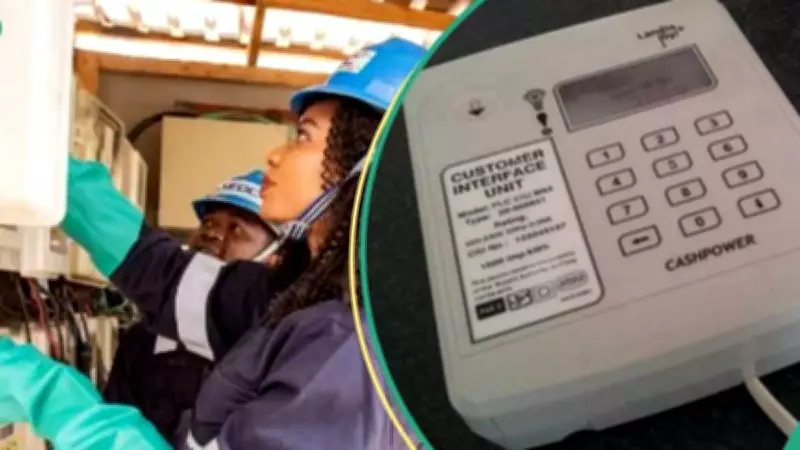
The Federal Competition and Consumer Protection Commission (FCCPC) has expressed strong support for the Lagos State government's initiative to eliminate estimated electricity billing and introduce compulsory smart metering across the state. This reform is hailed as a significant move toward fairness and transparency in Nigeria's power sector.
FCCPC Endorses Lagos Smart Metering Plan
In a statement issued on Tuesday, May 12, 2026, the FCCPC stated that the reform will enhance service delivery, strengthen consumer protection, and restore confidence in electricity distribution. Smart metering is expected to play a central role in this transformation.
According to the 2025 Lagos Electricity Market Report released by the Lagos State Electricity Regulatory Commission (LASERC), the state plans to enforce laws against supplying electricity to customers without meters while accelerating smart meter deployment. The report outlines several key measures:
- Mandatory metering from 2026
- Phased smart meter installation on a feeder-by-feeder basis
- Stricter supervision of electricity distribution companies
- Faster complaint resolution processes
- Penalties for operators that fail to comply with regulations
This move follows an incident in April 2025 when Lagos Deputy Governor Obafemi Hamzat received an estimated bill of N29 million from the Eko Electricity Distribution Company (EKDC), sparking public outcry.
FCCPC Calls for Nationwide Adoption
Tunji Bello, Executive Vice Chairman and CEO of the FCCPC, noted that estimated billing remains one of the biggest sources of consumer complaints in Nigeria's power sector. He emphasized that measures accelerating metering and improving billing transparency are crucial for consumer protection and market accountability.
Bello explained that accurate metering would eliminate unfair charges, reduce disputes between consumers and providers, and increase public trust in the system. He urged other state regulators and subnational governments to adopt similar reforms to accelerate metering and improve oversight of electricity service providers nationwide.
The FCCPC also stressed the importance of effective complaint resolution mechanisms and clear service standards to boost consumer confidence and enhance the performance of the power sector.
Industry Cooperation Essential
The commission called on electricity distribution companies and other stakeholders to cooperate fully with ongoing reforms aimed at improving metering, service quality, transparency, and accountability across Nigeria's electricity market.
In related news, the Nigerian Electricity Regulatory Commission (NERC) has signaled another adjustment to electricity tariffs, citing improved service delivery. However, tariff increases are expected to add to the financial burden of Nigerians already grappling with a rising cost of living.




