
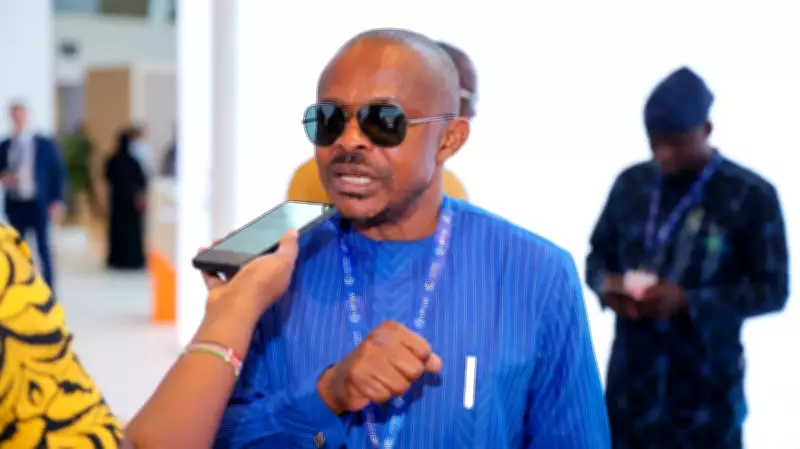
NLC Stages Protest at AEDC Over Mass Sack of 900 Workers, Issues Ultimatum
The Nigeria Labour Congress (NLC) on Tuesday took decisive action by picketing the Abuja Electricity Distribution Company (AEDC), severely disrupting its operational activities. This protest was a direct response to the controversial disengagement of approximately 900 workers, a move that has sparked outrage within the labour movement.
Accusations of Deceit and Dangerous Precedents
Led by NLC President Joe Ajaero, the union vehemently accused AEDC of carrying out the mass sack under false pretences. Ajaero described the exercise as "the height of deceit" and warned that it sets a dangerous precedent in Nigeria's already troubled power sector. He issued a stern 48-hour ultimatum to the company's management, demanding the immediate recall of the affected workers. Failure to comply, he cautioned, could lead to escalated industrial action that might cripple electricity supply in the Federal Capital Territory (FCT).
"If nothing is done within that time, we cannot guarantee power supply. The workers who keep the system running will stay at home, and if they are not at work, the system will naturally be affected," Ajaero warned, highlighting the potential consequences of the dispute.
Background of the Crisis and Broken Promises
Ajaero revealed that the crisis dates back about six months, when AEDC management initially claimed the disengagement would only affect workers who had reached retirement age or were nearing retirement. However, investigations by the union uncovered a starkly different reality. "Some had not even spent up to five or six years in service. In fact, many had only worked for two to three years. That is the height of deceit," he declared.
He explained that the union had initially intervened based on the understanding that retirements were legitimate, but later findings showed a majority of those affected were not at retirement age. Despite promises from AEDC to revisit the exercise, six months of repeated engagements through zonal consultative meetings have yielded no results, exacerbating the situation.
Broader Implications and Demands for Transparency
Ajaero expressed deep concern that other distribution companies are beginning to copy this pattern, sending a very dangerous signal across the power sector. He accused some power sector operators of deliberately undermining workers' rights, despite inheriting a unionised workforce at the point of privatisation. This disregard for labour laws, he warned, could trigger wider industrial unrest if left unchecked.
In addition to the recall of workers, Ajaero made several key demands:
- AEDC must publish the full list of disengaged workers, including their years of service and reasons for termination, to enable public scrutiny.
- Address poor conditions of service, lack of promotions, and unresolved staff welfare issues within the company.
- End the policy of perpetual dialogue, which he described as talks without end and without implementation, stating it has no place in industrial relations.
"Justice must be done. Those who were unjustly sacked and are suffering at home must have their cases revisited within the framework of the law. As a union, we are not asking for anything outside the law. But if the law is followed, we will be satisfied that justice has been served," Ajaero concluded, emphasising the union's commitment to legal and fair resolutions.




