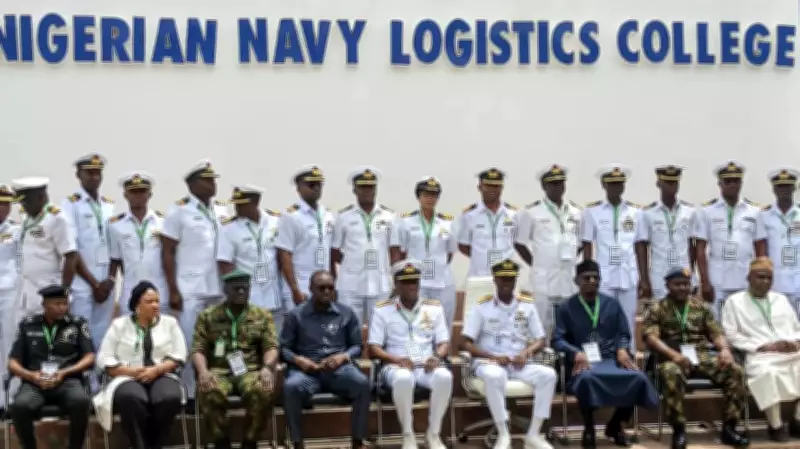
The Bureau of Public Procurement (BPP) has introduced the first mandatory continuous capacity-building programme aimed at converting Nigerian Navy logistics officers into core procurement professionals. This initiative seeks to enhance compliance in defence procurement.
Professional Training for Logistics Cadre
The programme, anchored on logistics operational responsibilities, is designed to equip military officers with the technical knowledge needed to uphold integrity, accountability, and professionalism in armed forces procurement functions.
Speaking at the launch at the Nigerian Navy Logistics College in Dawakin-Tofa, Kano, BPP Director-General Adebowale Adedokun explained that the training will acquaint procurement officers with the Public Procurement Act 2007 and other regulations. He noted that the Bureau is simplifying procurement processes and reactivating the e-Government Procurement platform while ensuring open competitive bidding.
Reforms and Digital Tools
Adedokun, represented by Nasiru Bello, emphasised that beyond capacity building, BPP is spearheading reforms to review the 2007 Act to align with global best practices. The Bureau is also re-engineering its operations for greater efficiency and transparency through digital tools and AI-based review systems.
Plans were also revealed to designate the Nigerian Navy Logistics College as a Centre of Excellence, where military procurement officers will undergo professional training in public procurement practices.
National Security Implications
Chief of Logistics of the Nigerian Navy, Rear Admiral Sulaiman Haruna Abdullahi, stressed the importance of continuous capacity building in procuring military equipment to strengthen national security. He stated, “Without procuring the requisite military and defence equipment, the Armed Forces will not be able to project power and contain threats to national security.”
He urged participants to give full attention to the training, noting that their selection was based on merit. He charged them to uphold integrity and demonstrate transparency, reminding them that public procurement remains a high-risk area for corruption.
Abdullahi added, “Public procurement is no longer a mere administrative support function. It is the engine room of government expenditure and a critical lever for economic development. This programme represents a paradigm shift. Professionalism is now a requirement, not a preference.”