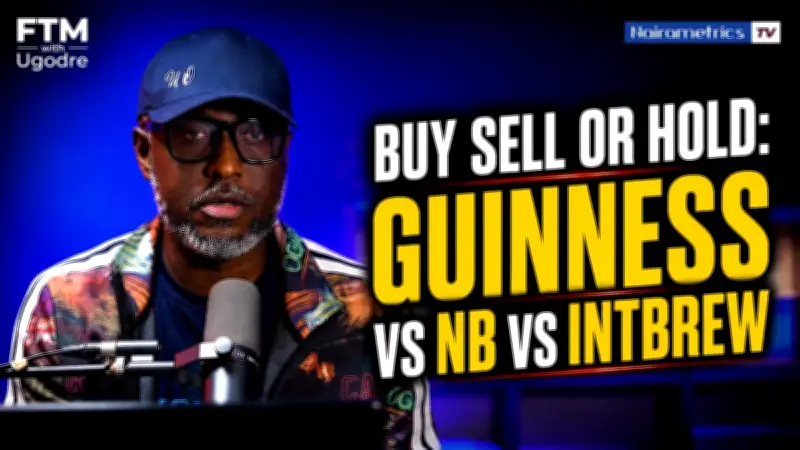
Nigerian brewers collectively splashed out a staggering N220 billion on marketing and promotional activities in the first half of 2026, intensifying their battle for consumer loyalty in a market squeezed by inflation and reduced purchasing power. This figure, disclosed in the latest industry report by Nairametrics, represents a 15% increase compared to the same period in 2025, underscoring the aggressive competition among major players like Nigerian Breweries, Guinness Nigeria, and International Breweries.
Why the Surge in Spending?
The surge in spending is directly linked to shrinking disposable incomes and a shift in consumer preferences toward value-for-money products. With inflation eroding household budgets, brewers are forced to innovate and invest heavily in brand differentiation, experiential marketing, and digital campaigns to retain market share. According to the report, the average price of a bottle of beer rose by 18% year-on-year, yet volume sales declined by 4%, prompting companies to fight harder for every consumer.
Industry analysts note that the N220 billion spend is not just about advertising but also includes below-the-line activities such as consumer promotions, sponsorship of events, and point-of-sale activations. These tactics are designed to build emotional connections and drive trial, especially among younger demographics who are increasingly health-conscious and open to alternatives like low-alcohol and non-alcoholic beverages.
Market Leaders and Their Strategies
Nigerian Breweries, the market leader, accounted for the largest share of the expenditure, investing over N95 billion in H1 2026. The company has focused on premiumizing its portfolio, launching new variants of its flagship brands and leveraging digital platforms to engage consumers. In a statement, the Managing Director, Hans Essaadi, said, "We are committed to staying close to our consumers and delivering exceptional experiences. This investment reflects our confidence in the Nigerian market and our determination to lead the recovery."
Guinness Nigeria followed with a spend of N68 billion, emphasizing its 'Made of More' campaign and expanding its ready-to-drink (RTD) segment. The company has also partnered with local influencers to boost social media presence, targeting urban millennials. International Breweries, a subsidiary of AB InBev, invested N57 billion, concentrating on price-led promotions and distribution expansion into rural areas, where competition is less intense.
Impact on the Economy and Consumers
The heavy marketing spend has significant implications for the broader economy. It supports thousands of jobs in advertising, media, and event management, contributing to the services sector's growth. However, consumers may ultimately bear the cost, as these expenses are often passed on through higher prices. The report warns that if the trend continues, the average beer price could rise by another 10% by the end of 2026, potentially dampening demand further.
Moreover, the intense competition has led to a proliferation of promotional offers, which benefits consumers in the short term but may not be sustainable for smaller players. The industry is already witnessing consolidation, with some regional breweries struggling to keep up. Analysts predict that the top three companies will control over 80% of the market by 2027, up from 75% currently.
Regulatory and Economic Pressures
Brewers are also navigating a challenging regulatory environment, including excise duty hikes and stricter advertising guidelines. The National Agency for Food and Drug Administration and Control (NAFDAC) has increased scrutiny of alcohol marketing, especially to minors. In response, companies are adopting responsible drinking messages and investing in age-verification technology for digital ads.
The economic outlook remains mixed. The Central Bank of Nigeria's monetary policy tightening has increased borrowing costs, squeezing liquidity for many firms. Yet, the brewers' aggressive spending suggests they are betting on a consumer recovery later in the year, driven by expected improvements in foreign exchange availability and lower fuel prices.
Future Outlook
Looking ahead, the report projects that full-year marketing spend could reach N450 billion, a record for the industry. Innovations in packaging, such as eco-friendly cans and smaller bottle sizes, are expected to be key battlegrounds. Additionally, the rise of e-commerce and home delivery services presents new opportunities for targeted marketing.
In conclusion, the N220 billion spent in H1 2026 is a clear signal of the fierce competition and resilience of Nigeria's brewing industry. As companies continue to invest heavily in winning consumers, the ultimate winners will be those who can balance brand building with operational efficiency in a challenging economic climate.