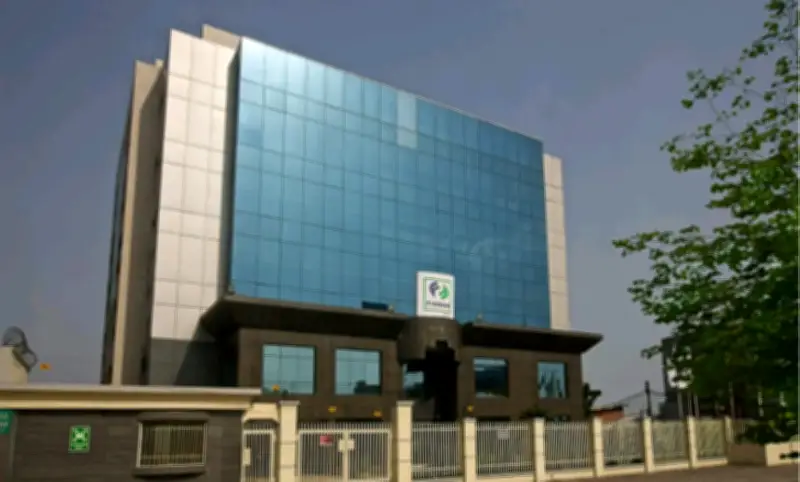
Fidson Healthcare Plc, one of Nigeria's leading pharmaceutical companies, reported a 45% surge in sales for the first half of 2026, reaching N84.5 billion. However, this impressive growth is shadowed by a ballooning customer debt of N26 billion, raising questions about the company's cash flow and credit management.
Sales Boom Driven by Strong Demand
According to the company's unaudited financial statements for the period ended June 30, 2026, revenue jumped from N58.3 billion in H1 2025 to N84.5 billion. The growth was attributed to increased demand for its antimalarial, antibiotic, and chronic care products, as well as expanded distribution networks across Nigeria and West Africa.
In a statement, the Managing Director, Dr. Fidelis Ayebae, said: "Our sales performance reflects the trust healthcare providers and patients place in our brands. We remain committed to ensuring the availability of high-quality medicines."
Rising Trade Receivables
Despite the robust top-line growth, trade receivables—money owed by customers—climbed to N26 billion, up from N18 billion at the end of 2025. This represents a 44% increase, almost matching the sales growth rate.
The company noted that the rise in receivables is partly due to extended credit terms offered to government health agencies and private hospital chains, which have been grappling with delayed budget releases and economic headwinds.
Impact on Cash Flow and Liquidity
The growing debt could strain Fidson's working capital. Cash flow from operations stood at N12.3 billion, a decline from N15.6 billion in the same period last year, as more funds are tied up in receivables. Analysts warn that if the trend continues, the company might face liquidity pressures, potentially affecting its ability to invest in expansion or service its own debts.
"While sales growth is commendable, the sharp increase in receivables is a red flag. The company needs to tighten its credit policies to avoid cash flow problems," said an analyst at a Lagos-based investment firm.
Profitability and Cost Pressures
Profit after tax grew by 38% to N9.2 billion, supported by improved operational efficiency. However, cost of sales also rose by 42%, reflecting higher raw material and logistics costs. The company's gross margin slightly improved to 41% from 39% due to better product mix and price adjustments.
Outlook and Strategic Moves
Fidson has announced plans to enhance its credit management by implementing stricter vetting of credit customers and leveraging data analytics for better risk assessment. The company also intends to expand its manufacturing capacity to meet growing demand and reduce import dependency.
"We are confident that our strategic initiatives will sustain our growth trajectory while ensuring prudent financial management," Dr. Ayebae added.