Lafarge Cement Found Guilty of Financing Terrorism in Syria
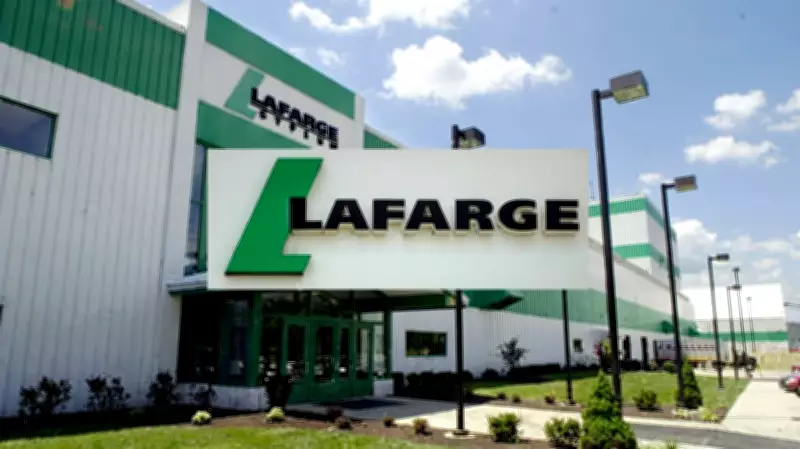
A French court has delivered a landmark verdict, convicting Lafarge Africa Plc of financing terrorism operations during the Syrian civil war. The company was found to have made substantial payments to jihadist groups, including the Islamic State and the Nusra Front, an al-Qaeda-linked organisation designated as a terrorist entity.
Details of the Terrorism Financing Charges
According to reports from the Cable Nigeria, the Paris court revealed that Lafarge disbursed approximately $6.5 million between 2013 and 2014 to armed factions in northern Syria. These funds were used to secure staff movement, maintain access to raw materials, and ensure the continued operation of its cement plant in Jalabiya. Presiding judge Isabelle Prevost-Desprez emphasized that these payments were critical in enabling proscribed organisations to obtain financial resources, which were subsequently used to support attacks across the Middle East and Europe.
The judge stated, "The payments were essential in enabling terrorist organisations to gain control of resources and finance attacks within the region and abroad." This ruling underscores the severe implications of corporate actions in conflict zones.
Sentences for Former Employees and Company Response
In addition to the corporate conviction, eight former employees were found guilty in connection with the case. Former chief executive Bruno Lafont received a six-year prison sentence, while former deputy managing director Christian Herrault was sentenced to five years. Syrian former employee Firas Tlass was sentenced in absentia to seven years.
Lafarge, which is now owned by the Swiss group Holcim, issued a statement accepting the court's ruling. The company described the case as a legacy matter, involving conduct that occurred more than a decade ago and was in breach of its code of conduct. "We acknowledge the court's findings. These actions, which date back more than a decade, were in flagrant violation of Lafarge's code of conduct," the company said.
Background on Lafarge's Operations in Syria
Lafarge acquired the Jalabiya plant in northern Syria in 2008 and commenced operations in 2010, just before the outbreak of the Syrian civil war. The payments to terrorist groups continued until September 2014, highlighting the prolonged nature of the illicit activities. This case raises significant questions about corporate ethics and accountability in high-risk regions, particularly in industries like cement manufacturing that are vital for infrastructure but vulnerable to exploitation during conflicts.
The conviction serves as a stark reminder of the legal and moral responsibilities that corporations must uphold, even in tumultuous environments. It also points to the broader challenges of combating terrorism financing through international legal frameworks and corporate governance reforms.