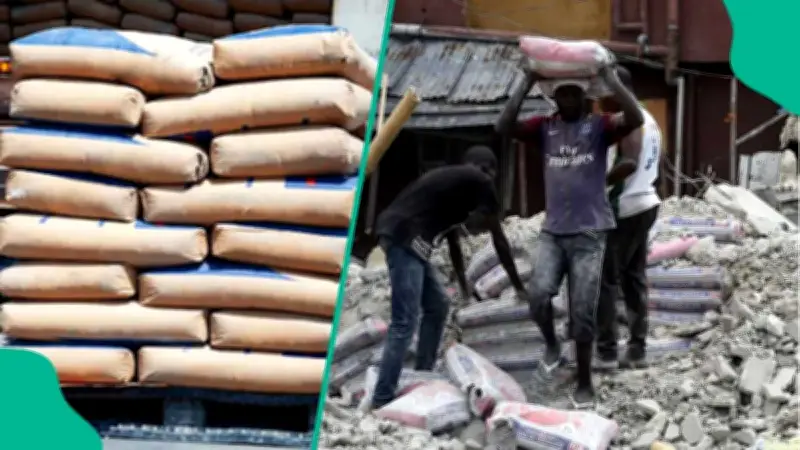
The latest online price listing for Abuja, updated on October 15, 2026, shows that a standard 50kg bag of Dangote 3X cement sells for ₦13,100, BUA cement for ₦12,800, and HBM Elephant cement for ₦12,600. These figures, sourced from Buildocrat's Abuja price listing, provide a clear comparison for buyers planning to build or renovate properties.
Comparing the three major cement brands
According to the listing, HBM Elephant cement is ₦500 cheaper per bag than Dangote 3X cement, while BUA cement is ₦300 cheaper than Dangote. However, buyers are advised to compare products of similar grades and specifications before deciding which brand offers the best value for their project needs.
The price differences become more significant when purchasing in bulk. Using the quoted prices, the cost of 100 bags of Dangote 3X cement is ₦1.31 million, BUA cement is ₦1.28 million, and HBM Elephant cement is ₦1.26 million. A buyer purchasing 100 bags of HBM Elephant cement would spend ₦50,000 less than someone buying the same quantity of Dangote 3X cement.
Market variations and regulatory concerns
Cement prices vary significantly across Nigerian markets, even for the same brand. A Legit.ng market report published in September found that prices of Dangote and BUA cement differed across Lagos, Abuja, Kano, and Ibadan, with some dealer quotations reaching ₦15,000 per 50kg bag.
The Federal Competition and Consumer Protection Commission (FCCPC) reported in August that market prices had increased from approximately ₦9,300–₦9,700 per bag in January 2026 to ₦10,500–₦13,000 by mid-year, with some locations recording prices of ₦13,000–₦15,000 in July. The commission said it was investigating whether prevailing prices could be explained by legitimate production and distribution costs or whether anti-competitive practices had contributed to the increases.
Advice for buyers before bulk purchases
The quoted figures exclude transportation, unloading, and other potential charges, which could increase the final cost. For Nigerians preparing to build, comparing quotations from multiple dealers remains important. Buyers should also confirm the product grade, availability, delivery charges, and final price before placing bulk orders.
Cement prices remain a major concern for Nigerians planning to build houses, renovate properties, or purchase building materials, and the three brands are among the major players in the country's cement market.