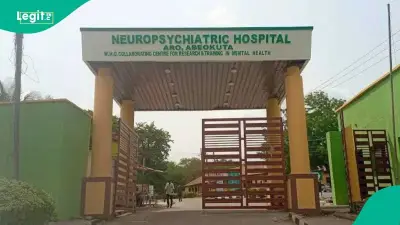
Nigeria's confirmed Ebola patient arrived in Abuja on October 3, 2026, aboard Ethiopian Airlines Flight ET333, landing at Nnamdi Azikiwe International Airport, according to a senior aviation official who spoke anonymously because she was not authorised to address the media.
Flight Details and Contact Tracing
The flight information is considered critical for ongoing contact tracing efforts following the public confirmation of the virus by the Coordinating Minister of Health and Social Welfare, Professor Muhammad Pate. The patient, described as a diplomat, has deteriorated into multi-organ failure, though the nationality was not revealed.
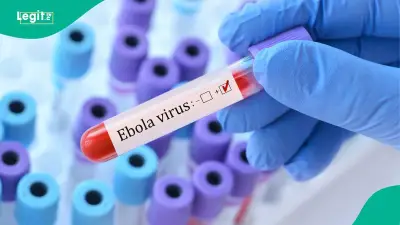
Health officials confirmed the virus is the Bundibugyo strain of Ebola, which has no approved vaccine or specific treatment. Olajumoke Babatunde, Director of the Public Health Laboratory Service at the Nigeria Centre for Disease Control (NCDC), said: "We did three levels of tests, but all molecular. The strain was Bundibugyo."
WHO Confirms Strain and Regional Spread
The World Health Organisation (WHO) also confirmed the strain, noting that no vaccine or specific treatment currently exists for it. According to WHO, Nigeria has become the fifth country to detect the virus since the Democratic Republic of the Congo (DRC) declared an outbreak on May 15, 2026. Kenya has also reported nine cases in recent weeks, linked to an imported case.
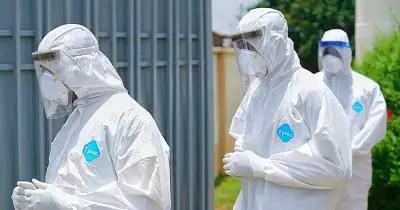
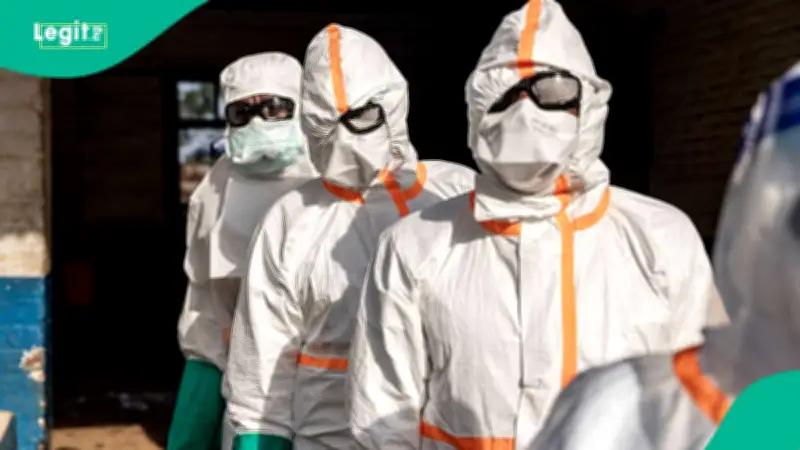
An emergency meeting of health ministry officials held the same day confirmed the strain. The WHO said it is working closely with Nigerian health authorities on case investigation, contact tracing, infection prevention, and the supply of personal protective equipment for health workers.
Uganda Distances Itself
The Ugandan government has asked Nigerian authorities to share the patient's full travel and clinical records. Ugandan officials insisted the patient could not have contracted the virus on Ugandan soil, pointing out that no Ebola cases have been recorded in Uganda.
The WHO urged all countries in the region to strengthen disease surveillance, ensure laboratories can safely test suspected cases, and keep rapid response teams ready for immediate deployment. The global health body advised against any travel or trade restrictions involving affected countries and said its risk assessment for the event is being updated regularly as new developments emerge.
NCDC Issues Public Update
The Nigeria Centre for Disease Control and Prevention issued a fresh public update on the Ebola virus, listing key symptoms and urging the public to practise regular hand hygiene and avoid contact with body fluids. The update drew sharp reactions from Nigerians on social media, with many questioning the agency's claims.