Unilever Nigeria's Food Business Faces Major Transition as Parent Company Sells to McCormick
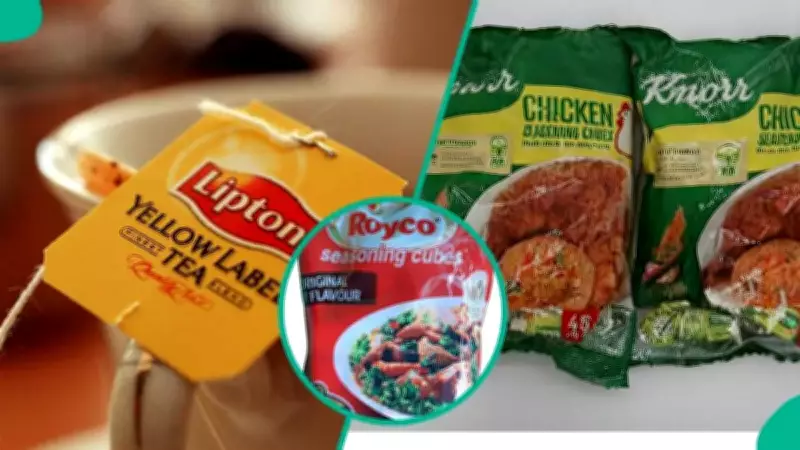
Unilever Nigeria Plc has officially confirmed that its parent company, Unilever Plc, is combining its global foods business with McCormick & Company, Inc. in a monumental transaction announced on March 31, 2026. This strategic move is expected to significantly impact local production of beloved Nigerian staples including Knorr seasoning cubes, Royco bouillons, Lipton tea, and various related food products that have become household essentials across the country.
Assessing the Local Impact on Nigerian Operations
In a formal statement submitted to the Nigerian Exchange (NGX), Unilever Nigeria revealed that the company is currently evaluating the comprehensive implications for its local operations and corporate structure. Company Secretary Peter Dada emphasized that additional details regarding transition timelines, operational changes, and strategic adjustments will be communicated to shareholders and the exchange once more definitive information becomes available from the parent organization.
The foods segment has represented the standout performer for Unilever Nigeria, generating an impressive ₦127.85 billion in revenue during 2025. This figure substantially outpaced the company's personal care division at ₦60.08 billion and the beauty & wellbeing segment at ₦26.35 billion, highlighting the critical importance of the food business to the Nigerian subsidiary's overall financial performance.
Understanding the Global Transaction Structure
The global transaction represents a Reverse Morris Trust arrangement valued at an enterprise value of $44.8 billion for the Unilever foods business. Under the carefully structured terms:
- Unilever and its shareholders will receive a combination of McCormick shares worth approximately $29.1 billion, granting them 65% of the fully diluted combined company equity
- Unilever will additionally receive $15.7 billion in cash to address separation costs, reduce existing debt, and fund share buyback initiatives
- Upon completion, Unilever shareholders will ultimately control 55.1% of the new entity, McCormick shareholders will hold 35%, and Unilever itself will maintain a 9.9% stake that will be gradually sold down after one year
The combined organization is projected to generate approximately $20 billion in annual revenue, creating a global powerhouse focused on herbs, spices, seasonings, cooking aids, sauces, and condiments. Iconic brands including Knorr, Hellmann's, McCormick, Cholula, and Frank's will operate under unified management, establishing a formidable leader in global flavor innovation.
Strategic Implications for Unilever's Future Direction
This transaction enables Unilever Plc to transform into a "pure-play" corporation concentrating exclusively on its higher-margin Beauty & Wellbeing, Personal Care, and Home Care segments. During 2025, personal care represented Unilever Plc's largest global revenue driver at €13.2 billion, closely followed by foods at €12.9 billion.
For the Nigerian subsidiary, the food business has held disproportionate significance within the local market context. While the strategic exit could potentially liberate resources for accelerated growth in personal care and beauty products, it simultaneously raises substantial questions regarding the future of local manufacturing capabilities and brand availability for millions of Nigerian consumers who have relied on these products for generations.
Critical Questions Facing Nigerian Consumers and Investors
Unilever Nigeria has emphasized that comprehensive evaluation of operational implications remains ongoing. Key areas requiring close monitoring include:
- Whether production of Knorr, Royco, Lipton, and associated product lines will continue under new ownership arrangements
- Potential rebranding initiatives or supply chain modifications that could affect product availability
- Possible impacts on pricing structures and market accessibility across Nigerian retail environments
This landmark deal underscores the rapidly evolving dynamics within the global food industry, where scale advantages, flavor expertise, and continuous innovation are increasingly driving consolidation trends among major market players.
Contrasting Investment Trend in Nigerian Manufacturing
In a contrasting development highlighting continued international confidence in Nigeria's manufacturing sector, British beverage brand Ovaltine recently announced plans to establish its first African production facility in Lagos. This £24 million investment, confirmed by the UK's Department for Business and Trade, represents a significant milestone in Nigeria-UK trade relations and is expected to create more than 100 direct employment opportunities while strengthening Ovaltine's distribution and export capacity throughout West Africa.