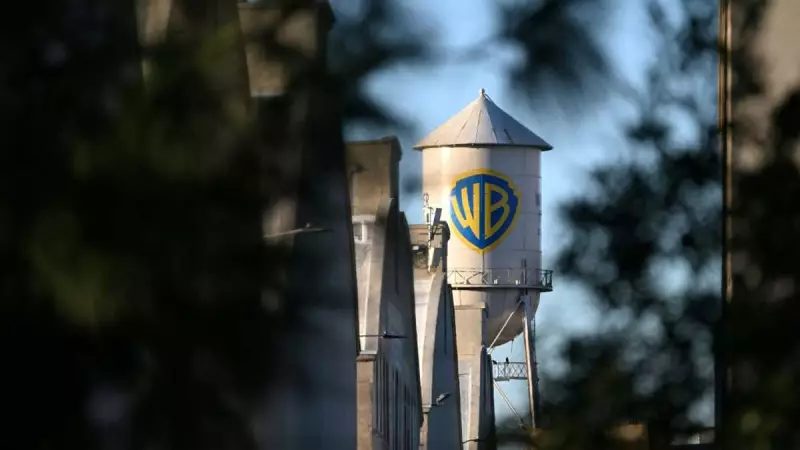
In a decisive move that shapes the future of global entertainment, Warner Bros. Discovery has formally turned down a multi-billion dollar hostile takeover attempt from rival media giant Paramount Global. The company instead reaffirmed its commitment to a previously announced merger agreement with streaming leader Netflix.
Netflix Deal Deemed Superior to Paramount's Hostile Bid
The high-stakes corporate drama escalated on Wednesday when Warner Bros. Discovery issued a statement rejecting Paramount's all-cash tender offer, which valued the entertainment conglomerate at a staggering $108.4 billion. This bid was launched by Paramount on December 8, just three days after Netflix shocked the industry by announcing it had sealed a deal to acquire Warner Bros. Discovery for nearly $83 billion.
Warner Bros. Discovery was blunt in its assessment, stating that the terms of the Netflix merger were clearly better. The company criticized the Paramount offer, saying it "once again fails to address key concerns that we have consistently communicated... throughout our extensive engagement and review of their six previous proposals."
"We are confident that our merger with Netflix represents superior, more certain value for our shareholders," the company asserted.
Political Intrigue and a "Risky" Offer
The bidding war has attracted attention beyond Wall Street, drawing commentary from former U.S. President Donald Trump. President Trump repeatedly weighed in, suggesting Netflix's deal "could be a problem" due to the massive market share it would create. He also specifically stated a desire to see CNN, a Warner Bros. Discovery network he has long feuded with, get new ownership as part of any sale.
Warner Bros. Discovery's rejection highlighted significant concerns about the structure of Paramount's bid. The company described the offer as risky, noting it was backed by "an unknown and opaque revocable trust" and involved "no Ellison family commitment of any kind." Paramount's CEO is David Ellison, son of billionaire Larry Ellison, a known ally of Donald Trump.
A key difference between the two proposals is the fate of Warner Bros. Discovery's cable channels. Unlike Netflix's offer, Paramount's bid included the buyout of networks like CNN, TNT, TBS, and Discovery, which would have been added to Paramount's existing TV portfolio including CBS, MTV, and Comedy Central.
Hollywood's Reaction and Netflix's Cinema Pledge
As Netflix emerged as the likely victor for the studio behind classics like "Casablanca" and modern franchises like "Harry Potter," a segment of Hollywood's elite launched an aggressive campaign against the acquisition. Netflix is viewed with skepticism in some traditional circles, largely due to its disruptive impact on industry practices and historical reluctance to release films in theaters.
In a bid to calm these fears, Netflix CEO Ted Sarandos addressed the issue directly during an interview in Paris on Tuesday. He promised that if the takeover succeeds, Netflix would continue to distribute Warner Bros. films in cinemas. "We're going to continue to operate Warner Bros. studios independently and release the movies traditionally in cinema," Sarandos said, while acknowledging his past comments on theatrical distribution "now confuse people."
The rejection of Paramount's bid marks a critical juncture in the largest entertainment industry consolidation deal of the decade. All eyes are now on whether Paramount will return with a revised offer or if the path is now clear for Netflix to finalize its historic acquisition of the Hollywood giant.