
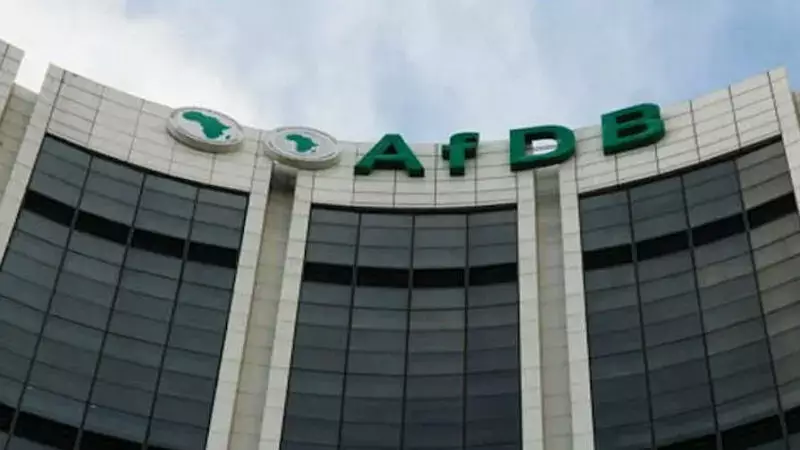
The African Development Bank Group has taken a significant step to support Nigeria's economic transformation by approving a substantial $500 million loan to the Federal Government. This financial injection aims to strengthen the country's non-oil revenue streams and create more fiscal space for development projects.
Program Details and Objectives
According to the official announcement made by the AfDB, the loan will finance the second phase of the Economic Governance and Energy Transition Support Programme. This policy-based operation is designed to cover the fiscal years 2024 and 2025, building upon the foundation established in the initial phase.
The program's primary goal is to stimulate inclusive economic growth by accelerating much-needed structural reforms within Nigeria's energy sector. Simultaneously, it will support progressive fiscal policy reforms that can boost non-oil revenues and expand the country's fiscal space.
Abdul Kamara, Director General of the AfDB's Nigeria Office, emphasized that this new phase "will consolidate and build on the achievements of the first phase," indicating a strategic continuation of the bank's support for Nigeria's economic development agenda.
Key Focus Areas and Implementation
The comprehensive program will concentrate on three critical areas that are essential for Nigeria's economic stability and growth. First, it will deepen fiscal policy reforms by strengthening public financial management systems and improving transparency and efficiency in public spending.
Second, the initiative will accelerate reforms in Nigeria's power sector with the specific objectives of reducing energy poverty, expanding electricity access, improving governance structures, and attracting crucial private investment.
Third, the program will support the implementation of Nigeria's energy transition plan through climate adaptation and mitigation measures. This includes establishing new energy-efficiency standards for electrical appliances, marking an important step toward sustainable energy consumption.
Beneficiaries and Broader Impact
The direct beneficiaries of this program include several key government institutions such as the Federal Ministry of Power, the Federal Ministry of Finance, the Federal Inland Revenue Service, and the Office of the Auditor General. Other benefiting bodies include the Debt Management Office, the National Climate Change Council of Nigeria, the Federal Ministry of the Environment, and the Nigerian Electricity Regulatory Commission.
Private businesses across Nigeria will also benefit significantly from this initiative through improved investment climate and enhanced opportunities in the energy sector. The program aims to create an environment more conducive to public-private partnerships, which could drive economic growth at both federal and state levels.
As part of the program's environmental focus, Nigeria's Nationally Determined Contribution will be updated for the 2026–2030 period, aligning the country's climate goals with international standards.
The AfDB's commitment to Nigeria's development is further demonstrated by its active portfolio in the country, which comprised 52 projects with total commitments of $5.1 billion as of October 31, 2025.




