
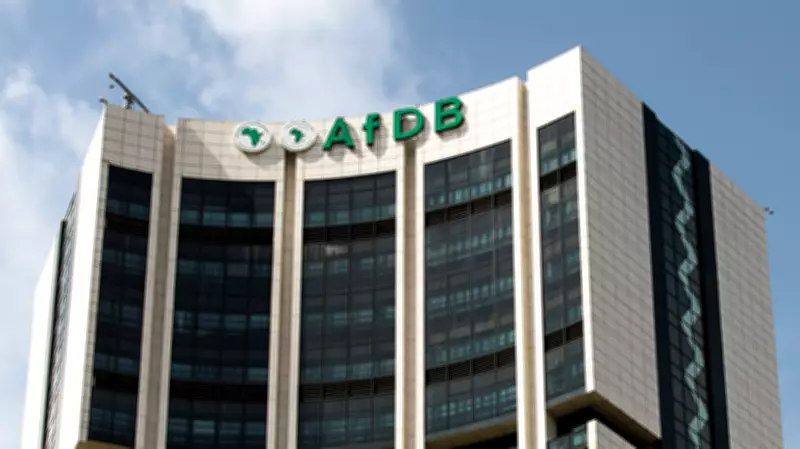
The African Development Bank (AfDB) has issued a stark warning about escalating debt levels across African nations, urging leaders to adopt fiscal discipline or face severe economic repercussions. In its latest report titled 'Africa's Macroeconomic Performance and Outlook,' the AfDB highlighted that the continent's debt burden remains alarmingly high, posing a growing threat to economic stability and long-term development. Despite modest fiscal consolidation efforts by various countries, the overall debt situation has not improved significantly. The report stressed that without drastic measures, African economies will struggle to stabilize and achieve sustainable growth.
Seven Countries in Debt Distress
The AfDB report identified seven African countries currently in debt distress and 13 others at high risk, including major economies like Nigeria, Ghana, and South Africa. These nations face persistent debt distress and shrinking fiscal space, with borrowing costs remaining elevated above pre-COVID-19 pandemic levels. Rising refinancing requirements may force governments into pro-cyclical austerity measures or costly short-term borrowing, further complicating economic recovery.
Nigeria's Borrowing Spree Under Scrutiny
Nigeria, classified under the 'high risk' category, has seen a significant increase in borrowing under President Bola Ahmed Tinubu's administration since May 2023. The government has pursued loans from various sources without transparent explanations regarding their utilization. The National Assembly has routinely approved these requests without rigorous public-interest scrutiny, raising concerns among citizens about the nation's financial future. Nigeria's total debt has surged from approximately N12.5 trillion in 2015 to N87 trillion in 2023, and further to N159.28 trillion by December 2025, according to the Debt Management Office (DMO). This includes N74.4 trillion in external debt and N84.8 trillion in domestic debt. The 2026 budget allocates N15.81 trillion for debt servicing, with a borrowing plan of N29.2 trillion.
Need for a Functional Debt Management Strategy
The government must urgently implement a robust debt management strategy. Leveraging the current increase in crude oil prices due to geopolitical tensions could help build a financial buffer through enhanced savings. However, continued borrowing without clear project viability and repayment plans undermines economic growth. The authorities often cite the debt-to-GDP ratio to justify borrowing but fail to address the unfavorable debt service-to-revenue ratio. The AfDB report warns that unchecked borrowing could derail growth momentum, impair long-term development, and increase social and political fragility. Fiscal sustainability remains a recurring challenge, and African leaders must act decisively to prevent further economic deterioration.




