
CBN Recapitalisation Deadline: Two Banks Get Lifeline as Three Await Final Approval in Last-Minute Scramble
With just days remaining until the Central Bank of Nigeria's recapitalisation deadline, the banking sector is in a decisive phase of compliance. Over 30 Nigerian banks have successfully met the new minimum capital requirements, but a handful remain in limbo, awaiting regulatory clearance or special consideration.
The CBN, led by Governor Olayemi Cardoso, is expected to conclude the recapitalisation programme within seven days. Industry data reveals a strong response across commercial, merchant, and non-interest banking categories, with most institutions crossing the finish line. However, at least three banks are still pending final verification from the apex bank, while two others may receive regulatory forbearance due to appeals related to legal and structural challenges.
Surge in Capital-Raising Activities
The recapitalisation drive has triggered a significant increase in capital-raising efforts, including rights issues, public offers, private placements, and strategic mergers. Tier-1 lenders, bolstered by robust investor confidence, raised hundreds of billions of naira with relative ease. In contrast, smaller and mid-tier banks faced tighter liquidity conditions and weaker investor appetite, complicating their compliance efforts.
Leading Banks Meet Requirements
Major financial institutions such as Access Bank, Zenith Bank, Guaranty Trust Bank, United Bank for Africa, and First Bank have all achieved the new capital thresholds. Among mid-tier banks, Fidelity Bank, FCMB, Stanbic IBTC, Sterling Bank, Wema Bank, Citibank Nigeria, and Standard Chartered Nigeria have also secured compliance.
Other compliant banks include Globus Bank, Premium Trust Bank, Optimus Bank, and Titan Trust Bank, with the latter advancing its combination with Union Bank of Nigeria as part of its capital strategy. The list extends to Signature Bank, Parallex Bank, SunTrust Bank, FSDH Merchant Bank, Greenwich Merchant Bank, Nova Merchant Bank, Rand Merchant Bank, and Coronation Merchant Bank. Non-interest lenders such as Jaiz Bank, Lotus Bank, TAJ Bank, and The Alternative Bank are also among those meeting the threshold.
Industry Consolidation Through Mergers
The recapitalisation exercise has already spurred consolidation moves across the sector. Providus Bank's merger arrangement with Unity Bank serves as an early indicator of broader restructuring. Analysts anticipate more mergers and acquisitions in the coming months, particularly among weaker players striving to remain viable under the new capital regime.
Uncertainty for Keystone and Polaris Banks
Notably absent from the compliance list are Keystone Bank and Polaris Bank, both facing unique challenges. Keystone Bank recently came under full Federal Government ownership following the dissolution of Sigma Golf Nigeria Limited amid an alleged N20 billion fraud case handled by the Economic and Financial Crimes Commission. According to reports, Polaris Bank is exploring options to meet the capital requirement, including a potential merger or foreign investor takeover, though details remain unconfirmed.
CBN Signals Regulatory Flexibility
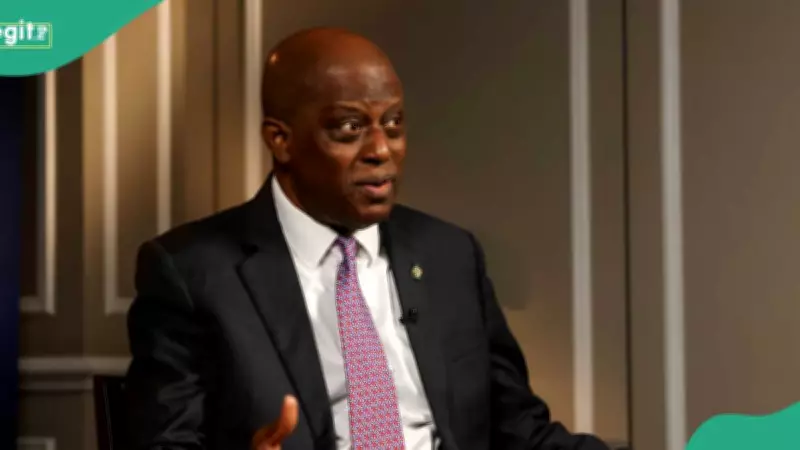
CBN Governor Olayemi Cardoso has indicated that affected institutions may receive special consideration, acknowledging that regulatory interventions and legal complexities have disrupted their recapitalisation timelines. He emphasised that it would be unrealistic to subject such banks to the same timeline as peers that have had the full implementation window since the policy's introduction in March 2024.
Cardoso assured that the apex bank remains engaged with stakeholders to ensure a structured and credible resolution process, while safeguarding financial system stability. He also confirmed that depositors' funds in affected banks remain secure under strict regulatory supervision.
Beyond Capital: The Real Test Ahead
Experts caution that meeting the capital threshold is only part of the challenge. Issues such as profitability, asset quality, and corporate governance will determine long-term competitiveness. One analyst noted, The real story is not just how many banks meet the requirement, but how many can sustain performance afterwards, adding that further consolidation and possible licence downgrades are likely.
For the CBN, the recapitalisation exercise aims to build a stronger banking system capable of supporting Nigeria's ambition of a $1 trillion economy. For operators, however, it remains a high-stakes test reshaping the industry. As the deadline approaches, attention now turns to final approvals, last-minute deals, and regulatory decisions that will define the next phase of Nigeria's banking landscape.




