
This year's festive season in Abuja is witnessing a remarkable economic upswing, a stark contrast to the struggles of previous years. The driving forces behind this change are significantly reduced fuel prices, more affordable food items, and a notable shift in travel patterns that is encouraging more residents to celebrate within the capital.
Fuel Price Relief Powers Market Stability and Confidence
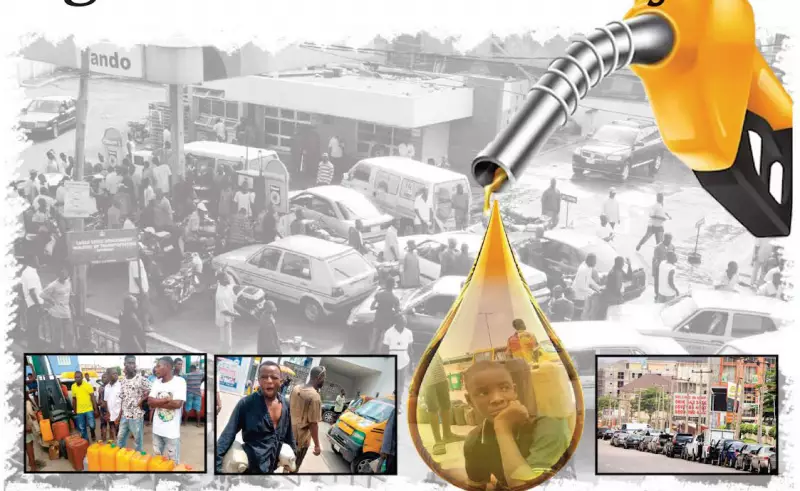
Gone are the long fuel queues and scarcity that once defined Abuja's December. The price of petrol has fallen from around ₦970 per litre to approximately ₦743, according to recent reports. This reduction has eased transportation costs, restored public confidence in daily movement, and injected vitality into economic activities.
Traders across major markets in the Federal Capital Territory confirm that this price stability is having a direct impact on food costs. Lower logistics expenses have smoothed supply chains, leading to a dramatic fall in the prices of staple goods. For instance, a basket of onions, which sold for as high as ₦13,000 during the 2024 Christmas period, is now available for between ₦4,000 and ₦5,000 in Abuja markets.
The steady flow of goods from northern farming communities, without the usual festive disruptions, is credited for this stability. Buyers are responding with increased confidence, keeping market activity robust throughout the season.
Highway Gridlock Redirects Festive Spending Locally
A significant factor reshaping Abuja's Christmas is the decision by many residents to forgo travel. Severe gridlock on the Lokoja–Abuja highway, widely reported on social media with videos of stranded travellers, has discouraged numerous planned road trips.
Mr. Kunle Komolafe, a Lagos native living in Abuja, shared his experience. "I was afraid to travel by road because of the gridlock, bad roads, and insecurity, and I couldn't afford airfares for myself and my family," Komolafe said. "So we decided to create fun for ourselves here in Abuja. I have discovered that Abuja has so many activities during the Christmas period which I did not know before now."
This collective choice to stay back has created a ripple effect of benefits for local businesses. Restaurants, parks, cinemas, and entertainment centres are reporting a surge in daily patronage from families.
Local Traders and Aviation Sector Reap the Benefits
The shift in spending is palpable in local markets. Abdullahi, a vegetable seller at Dei Dei market, noted a significant rise in demand for fresh produce like peppers. "There has been an increase in the quantity of peppers I sell daily compared to last year," he observed. The steady demand, coupled with lower transport costs, allows traders to maintain stable prices, reduce wastage, and still earn a reasonable profit.
Meanwhile, the aviation sector is experiencing its own seasonal boom. Despite complaints about high airfares, passenger traffic has surged as those who can afford it opt for flights over risky road journeys. Flights are operating near full capacity throughout the festive period.
As 2025 winds down, Abuja's Christmas narrative is one of accessible fuel, smoother mobility, and festive spending channeled vigorously into local food, leisure, and entertainment. This marks a clear and welcome departure from the fuel-scarcity slowdowns that dampened spirits in years past.




