CPPE Decries High Cost of Living and Business Pressures Amid Economic Challenges
The Chief Executive Officer of the Centre for the Promotion of Private Enterprise, Dr. Muda Yusuf, has expressed deep concern over the persistent surge in food, transport, and energy costs, which are severely eroding the purchasing power of Nigerians. He emphasized that real incomes remain under intense pressure, particularly affecting vulnerable and urban households, creating a dire economic situation for many citizens.
Business Environment Remains Extremely Challenging for MSMEs
In a policy brief addressing the February 2026 Consumer Price Index report, Yusuf noted that while headline inflation showed a marginal easing to 15.06 percent year-on-year, the operating environment for businesses, especially Micro, Small, and Medium Enterprises, continues to be extremely difficult. Elevated costs in energy, logistics, and raw materials, combined with weak consumer demand, are squeezing margins, reducing profitability, and increasing business vulnerability, particularly in consumer-facing sectors.
He warned that the slight improvement in inflation is fragile and does not indicate a decisive turnaround. Underlying inflation remains concerning, with month-on-month inflation accelerating to 2.01 percent and food inflation surging to 4.69 percent, reversing any previous moderation. Yusuf stressed that disinflation in this context merely means a slower increase in prices, not a reduction in the cost of living, offering little relief to struggling households and businesses.
Geopolitical Tensions Threaten to Reverse Disinflation Trends
The most immediate threat to the inflation outlook, according to Yusuf, is the escalation of geopolitical tensions in the Middle East. This conflict has already triggered a surge in crude oil prices above $100 per barrel, disrupting energy infrastructure and heightening risks to global supply routes, including the critical Strait of Hormuz. For Nigeria, the transmission channels are direct and profound, with rising global oil prices feeding into higher petrol and diesel costs, increased transportation and logistics expenses, rising production costs across sectors, renewed exchange rate pressures, and escalating food prices driven by input and distribution costs.
Yusuf called for urgent and coordinated policy measures to cushion the impact of rising energy prices and sustain the fragile disinflation gains. He recommended prioritizing the strengthening of domestic refining capacity by providing stable and reliable crude oil supply to local refineries, such as the Dangote refinery, under supportive, predictable, and where feasible, concessionary terms to enhance energy security and economic stability.
Nigeria Pledges Support for Global Oil Supply Amid Middle East Crisis
In response to the escalating tensions, the Federal Government has stated that Nigeria is prepared to step in as a reliable supplier in the global oil market. Minister of Information and National Orientation, Mohammed Idris, in an interview with BBC, affirmed that Nigeria is ready to support efforts to stabilize global energy supply, emphasizing the country's commitment to contributing to energy security worldwide. His comments come as Middle East tensions affect critical oil infrastructure and raise concerns about the safety of the Strait of Hormuz, a key maritime route for crude oil transportation.
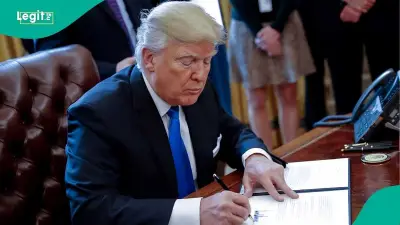
The impact of the crisis is already being felt across Africa, with countries like Ghana, Kenya, and South Africa increasingly turning to the Dangote Refinery for fuel supply. Meanwhile, oil prices have reached their highest levels in nearly four years, with international benchmark Brent crude settling at $112.19 a barrel, driven by threats from the United States and Iran targeting energy facilities. U.S. President Donald Trump has threatened to obliterate Iran's power plants if the Strait of Hormuz is not reopened, while Iran has warned of retaliatory attacks on U.S.-linked infrastructure, escalating the conflict further.
International Responses and Recommendations to Mitigate Oil Market Instability
The International Energy Agency has highlighted that restoring supplies from the Middle East Gulf could take up to six months, exacerbating global oil market instability. In a report, the IEA urged governments, households, and businesses to adopt demand-side measures, such as minimizing road and air transport, working from home where possible, driving slower, and switching to electric cooking, to help cushion the shock for consumers. These steps are seen as crucial to mitigating the economic fallout from the ongoing conflict and supporting vulnerable populations worldwide.