Dangote Issues Stark Warning on Iran-US Conflict Impact on Nigeria
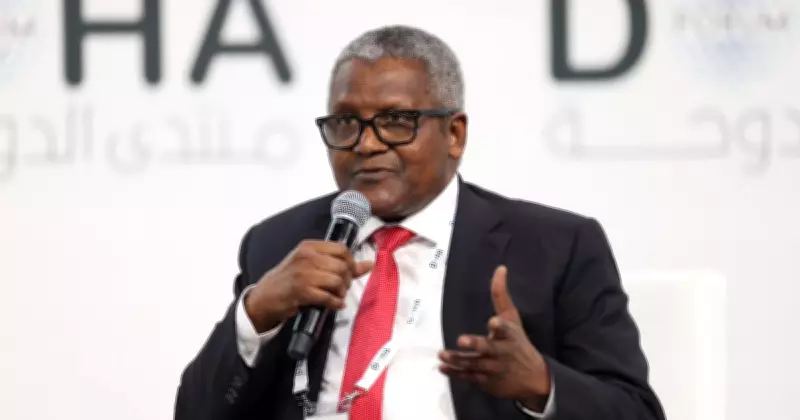
Africa's wealthiest industrialist, Aliko Dangote, has sounded a sobering alarm regarding the escalating geopolitical tensions between Iran and the United States, cautioning that Nigeria could face severe economic repercussions including a potential return to COVID-19-style remote work arrangements if the crisis continues unabated.
Global Conflict, Local Consequences
In a recent interview, Dangote emphasized that despite Nigeria having no direct involvement in the Iran-US conflict, the globalized nature of modern economies means the country will inevitably suffer collateral damage. He pointed specifically to the oil market, where rising instability is already driving up energy costs worldwide.
"When you talk about energy, it affects almost everything," Dangote stated, explaining that fuel price increases typically trigger higher transportation expenses, elevated food costs, and increased general living expenditures for Nigerian households and businesses alike.
This warning aligns with current economic trends where volatility in global crude oil prices has translated directly into higher petroleum costs within Nigeria, exacerbating existing inflationary pressures and making basic commodities less affordable for ordinary citizens.
Potential Return to Pandemic-Era Measures
The billionaire businessman painted a concerning picture of what prolonged conflict could mean for Nigeria's workforce and business operations. He suggested that reduced working days, business slowdowns, and a possible shift back to remote work arrangements could become necessary adaptations to mounting economic pressure.
"If it doesn't de-escalate, we may end up like during COVID, where people will have to work from home," Dangote cautioned, adding that such measures would disproportionately affect daily income earners who rely on consistent physical presence at workplaces to sustain their livelihoods.
In Nigeria's informal economy, where millions depend on daily earnings for survival, the impact of such a shift could be particularly devastating. Dangote also highlighted how small and medium enterprises would struggle with rising operational costs, especially those dependent on generators powered by increasingly expensive fuel.
Government Limitations and Broader Implications
Dangote stressed that governments across Africa, including Nigeria's, may find themselves unable to adequately cushion the economic impact of prolonged conflict, particularly as many nations are already grappling with substantial debt burdens and limited fiscal flexibility.
Beyond the immediate conflict concerns, Dangote briefly addressed recent positive developments in Nigeria's international relations, specifically mentioning President Bola Ahmed Tinubu's recent visit to the United Kingdom which resulted in approximately £746 million in infrastructure investment agreements. He described these as encouraging signs of growing international confidence in Nigeria's economic prospects.
However, the industrialist emphasized that such gains could be quickly overshadowed by widespread hardship if global peace remains threatened. He called for diplomatic de-escalation between Iran and the United States as essential for protecting Nigeria's fragile economic recovery and preventing a return to the restrictive measures that characterized the pandemic period.
The warning comes at a sensitive time for Nigeria's economy, which continues to navigate multiple challenges including inflation, currency volatility, and energy insecurity. Dangote's comments underscore how geopolitical events far from Nigeria's borders can have immediate and tangible consequences for ordinary Nigerians and the country's business environment.