Dangote Warns Rising Oil Prices Force Global Shift to Work-from-Home
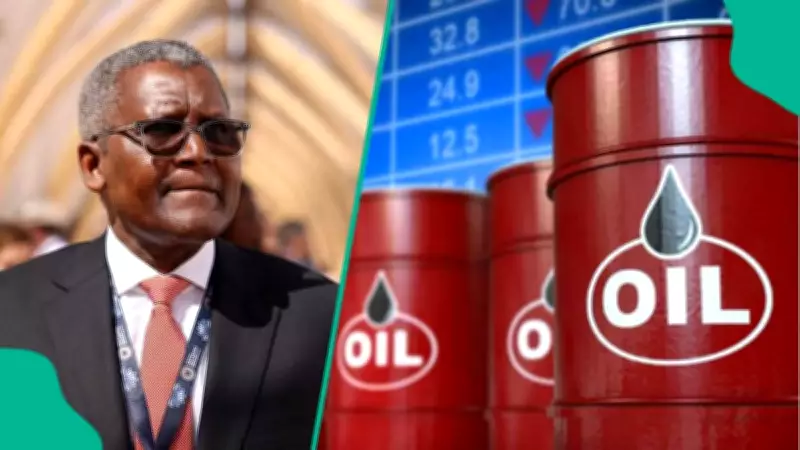
Aliko Dangote, president of the Dangote Group, has issued a stark warning that surging oil prices are compelling countries worldwide to encourage work-from-home arrangements as a coping mechanism for escalating energy costs. Speaking after a visit to President Bola Tinubu following Eid al-Fitr celebrations, Dangote emphasized the severe economic strain this trend places on sectors such as small businesses and industries reliant on generators.
Economic Strain on Vulnerable Sectors
Dangote pointed out that industries like barbershops, bread makers, and other small-scale operations are particularly vulnerable to the energy price hikes. He cited examples from countries like Indonesia, where authorities have reduced the workweek to four days and are considering a full transition to remote work if the situation does not improve. "I mean, you can see, in some countries today what they’ve done is ask everybody to work from home," Dangote stated, drawing parallels to the COVID-19 pandemic when remote work became widespread.
He highlighted that governments globally are facing financial constraints, making it difficult to increase salaries, which exacerbates the burden on citizens, especially in low-income sectors. This shift underscores the deepening economic challenges posed by the ongoing Middle East conflict, which continues to drive up energy costs.
Nigeria's Vulnerability to Global Shocks
Although Nigeria is not directly involved in the Middle East tensions, Dangote warned that the ripple effects are inevitable due to the interconnectedness of global economies. He expressed concern over Nigeria's potential to incur high economic costs if the conflict worsens, noting that African nations, many grappling with debt, are already under heavy financial pressure.
Dangote stressed that many people across the continent live paycheck to paycheck, meaning any disruption in work could lead to immediate hardship. He urged for collective prayers and a peaceful resolution to the conflict, emphasizing that without it, African countries—lacking financial reserves—could face even greater challenges.
International Recommendations and Broader Impacts
In response to the energy crisis, the International Energy Agency (IEA) has recommended strategies such as reducing air and road transport, promoting work-from-home where feasible, and switching to electric cooking to mitigate the impact. Meanwhile, economist Paul Alaje has warned that escalating tensions in the Middle East could push fuel prices in Nigeria to unprecedented levels, further straining households and businesses.
This situation highlights the urgent need for adaptive measures and international cooperation to address the economic fallout from energy price volatility, particularly in regions like Africa that are most susceptible to global shocks.