Easter Food Price Surge: Nigerian Households Face Tough Choices as Staples Soar
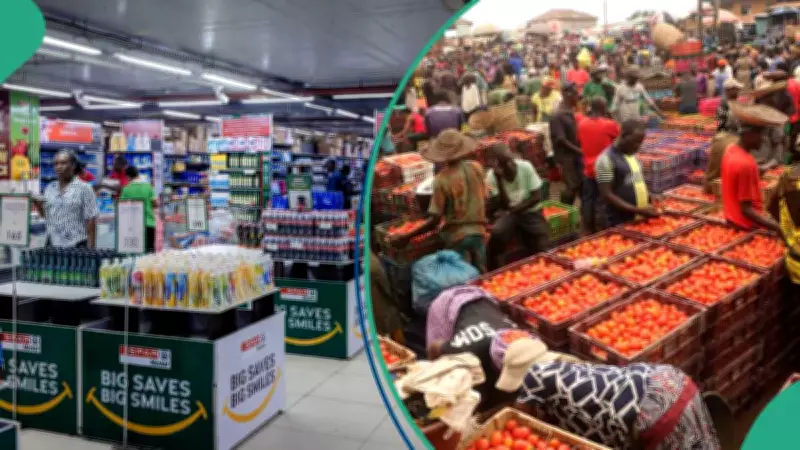
What should be a joyful Easter season is rapidly transforming into a period of difficult financial decisions for numerous Nigerian households. A comprehensive market survey reveals that food prices are escalating sharply, compelling families to reduce their celebrations as incomes diminish in value. Across major markets, particularly in Mile 12 Market, the traditional "Easter basket" is shrinking, with essential food items recording steep increases within weeks, leaving many unable to plan or spend with confidence.
Tomatoes, Rice, and Chicken Record Sharp Hikes
The surge in staple food prices has been dramatic and widespread. A large basket of tomatoes now sells for approximately N60,000, marking a 46% increase from N41,000 in early March. Similarly, a bag of fresh pepper has surged 74% to N80,000, while a 50kg bag of rice costs around N61,000, up from N56,000 in January. Even poultry products are affected, with a carton of 'orobo' chicken rising to N54,000 from N50,000, and frozen chicken climbing from N5,500 to N6,000 per kilo in just two weeks.
Families Struggle to Keep Up with Constant Price Changes
For many Nigerians, the relentless price fluctuations are exhausting and disruptive. Fixed-income earners report that budgeting has become nearly impossible, with prices shifting almost daily. Traders are also feeling the impact, as shop owners note slow sales despite the festive period, with customers delaying or reducing purchases. What was once a peak buying season now resembles an ordinary weekend in many markets, highlighting the economic strain.
Fuel Costs Drive the Price Surge
At the core of this increase is the escalating cost of fuel. With petrol prices hovering around N1,300 per litre, transportation expenses have soared, pushing up the cost of moving food from farms to urban centers. This ripple effect is exacerbated by global oil tensions, which have disrupted supply chains and driven crude prices higher. For traders, higher energy costs result in thinner profit margins, forcing them to pass the burden onto consumers.
Inflation Reverses Course, Adding Pressure
Earlier in the year, there were signs of relief, as data from the National Bureau of Statistics showed food inflation dropping to 8.89% in January, its lowest level in years. However, this progress has quickly reversed, with food inflation climbing to 12.12% by February, reflecting renewed pressure on prices and compounding the financial challenges for households.
A Quieter Easter Celebration Emerges
With transport costs rising and purchasing power weakening, many households are adjusting their expectations for Easter. Celebrations are becoming more modest, and for some, the season is now less about feasting and more about managing survival. What was once a time of abundance is, for many Nigerians, turning into a careful exercise in restraint, as dealers quote new prices for rice and other food items, reshaping holiday traditions.