Global GDP Outlook at Risk as Energy Disruption Sparks Inflation Fears
Global economic growth projections for 2026 are facing significant downside risks due to mounting concerns over disruptions to critical oil shipping routes. These disruptions threaten to trigger inflationary pressures, tighten financial conditions, and slow global expansion, with emerging economies like Nigeria particularly vulnerable to the fallout.
Market Assessments and Economic Impact
Energy intelligence firm Argus has issued a stark warning, indicating that a prolonged disruption lasting up to six months across major energy transit corridors, including the Strait of Hormuz and Red Sea routes, could drastically alter the global economic outlook. The firm cautioned that such a scenario would likely generate inflationary shocks strong enough to compel the United States Federal Reserve and other major central banks to resume monetary tightening to contain rising prices.
Under the most severe scenario outlined by Argus, global GDP growth in 2026 could be downgraded by as much as 0.5 percentage points. Extended supply disruptions could push global growth below the 2 percent threshold, a level widely regarded by economists as signaling near-recession conditions.
IMF Projections and Global Risks
This warning comes despite relatively stable baseline projections by the International Monetary Fund (IMF), which currently forecasts global growth at 3.3 percent in 2026. The IMF attributes this resilience to continued investment in technology, relatively accommodative financial conditions, and the adaptability of the private sector.
However, the IMF has consistently cautioned that risks to the global outlook remain tilted to the downside, particularly in the face of geopolitical tensions and supply chain disruptions. The evolving global outlook presents a complex mix of opportunities and risks for economies worldwide.
Nigeria's Economic Prospects and Vulnerabilities
For Nigeria, both the IMF and the World Bank currently project the economy to expand by 4.4 percent in 2026, following recent upward revisions linked to improving macroeconomic fundamentals and policy adjustments. However, a deterioration in global growth conditions, coupled with tighter financial markets, could undermine these projections.
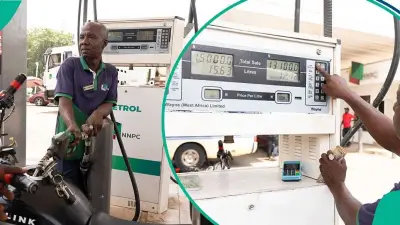
While higher crude oil prices arising from supply disruptions may offer short-term gains in export earnings and government revenues, these benefits could be offset by a stronger United States dollar, rising import costs, and renewed inflationary pressures within the domestic economy.
Moreover, slower global economic activity could dampen future oil demand, thereby limiting the sustainability of any revenue windfall for oil-exporting nations such as Nigeria. This dynamic underscores the vulnerability of resource-dependent economies to external shocks, particularly in periods of heightened global uncertainty.
Impact on Emerging Markets
Emerging market economies are expected to bear the brunt of the anticipated economic fallout, especially countries that rely heavily on imports and external financing while already grappling with elevated inflation levels. Early market signals appear to support this outlook, with emerging market equities declining by nearly seven percent during the initial phase of the crisis, reflecting growing investor concerns over capital outflows and currency pressures.
A strengthening United States dollar, often associated with tighter monetary conditions, further compounds these challenges by increasing debt servicing costs for developing economies and exerting additional strain on already fragile fiscal positions.
Inflationary Pressures and Central Bank Responses
Argus noted that sustained disruptions to global oil supply would not only spike energy prices but also increase freight costs, thereby feeding inflation across both advanced and developing economies. In such an environment, central banks may be forced to prioritize price stability over economic growth, raising interest rates even at the risk of slowing economic activity.
Higher interest rates would, in turn, tighten global liquidity conditions, elevate borrowing costs, dampen investment flows, and weaken consumer demand—key transmission channels through which an energy shock could translate into a broader economic slowdown.
Recent Market Developments and Expert Insights
Commenting on recent developments in commodity markets, Chief Economist at Argus Media, David Fyfe, noted that as of April 1, energy prices had eased slightly while financial markets showed signs of recovery. He attributed this to vague comments out of Washington suggesting the US military effort may be drawing to a close within a matter of weeks.
Fyfe, however, cautioned that the situation remains highly uncertain, adding that further clarity may emerge following remarks expected from President Donald Trump later in the day. For now, Argus continues to operate under the assumption of ongoing severe disruptions to energy and commodity flows out of the Middle East Gulf, which will likely necessitate sustained high prices to destroy demand and help markets rebalance.
He further explained that due to logistical delays associated with shipping commodities from the Gulf to major consuming markets in Asia, supply shortfalls may become more pronounced in April than they were in March. This implies that price increases could be more sustained, while the financial market and global economic impacts may also be more pronounced in April than in March. Things might well get worse before they get better, Fyfe added.
International Response and Supply Constraints
In response to tightening supply conditions, member countries of the International Energy Agency (IEA) have agreed on an initial intervention involving the release of 412 million barrels of oil into the global market. The volume comprises 295 million barrels of crude oil and 117 million barrels of refined products. However, the release remains voluntary, with participating countries given up to 90 days to make supplies available.
While the United States and Japan have moved swiftly to deploy strategic reserves, progress across Europe has reportedly been slower, raising concerns about the timeliness and effectiveness of the intervention.
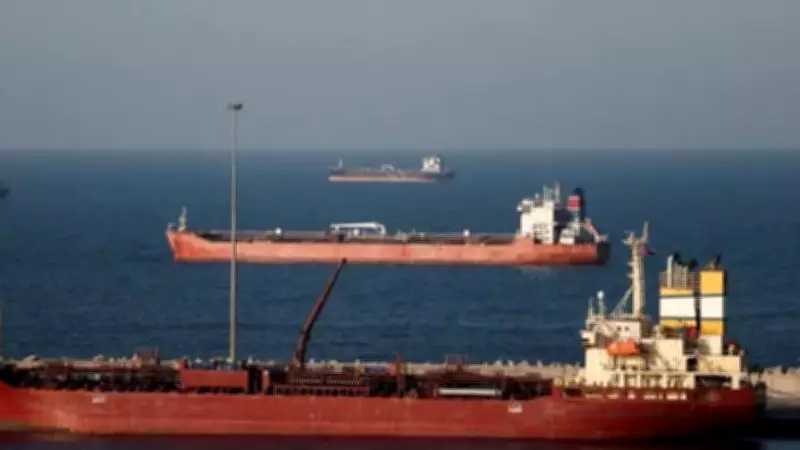
Efforts by Gulf producers to reroute crude exports are expected to provide only partial relief. Argus estimates that spare capacity on the United Arab Emirates' Habshan-Fujairah pipeline, alongside increased utilisation of Saudi Arabia's East-West pipeline, could together replace approximately five million barrels per day of exports typically shipped through the Strait of Hormuz.
Nonetheless, constraints remain. Tanker exports from Saudi Arabia's Yanbu terminal on the Red Sea supplied by the East-West pipeline have at times reached five million barrels per day but are projected to average closer to 3.5 million barrels daily under sustained operations. This shortfall suggests that global markets may continue to face supply tightness in the near term, reinforcing upward pressure on prices and prolonging the broader economic impact of the disruption.