Anatomy of Reform (2): Exchange Rate Unification and the End of Arbitrage
Following the fiscal shock of subsidy removal, the Tinubunomics sequence required a second, equally brutal move: the Monetary Reset. Macroeconomic sequencing theory dictates that before administering a second compounding shock, a buffer must be established. Political containment, involving social safety nets and wage adjustments, should have been firmly inserted here before Step 2 and maintained continuously. By floating the currency before the social buffers from subsidy removal were fully operational, the administration overlapped two massive inflationary events, testing the limits of the nation's democratic resilience.
The Monetary Earthquake: Unifying Exchange Rate Windows
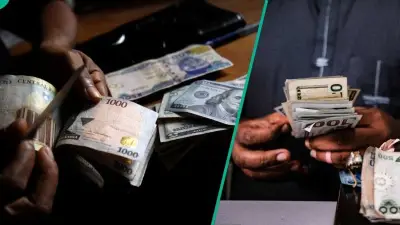
If the removal of the petrol subsidy was the fiscal shock of 2023, the unification of the exchange rate windows was the monetary earthquake. For decades, Nigeria's foreign exchange market was defined not by market forces but by administrative allocation. A privileged few accessed dollars at the official rate, while the rest of the economy sourced them at the parallel rate. This dual-rate regime created an economy incentivized to round-trip rather than produce. The most profitable business model in Nigeria was not manufacturing or technology; it was arbitrage, buying low from the Central Bank and selling high on the streets of Lagos.
The second pillar of the Tinubunomics framework, Exchange Rate Unification, sought to dismantle this distortion. This article interrogates the mechanics of this unification: Why was the float inevitable? Why did the Naira depreciate so aggressively? And critically, why has price discovery not yet translated into price stability?
The Pre-Condition: A Crime Scene of Arbitrage
To understand the necessity of the reform, one must analyze the dysfunction it replaced. By early 2023, the gap between the official and parallel exchange rates had widened to over 60 percent. In economic terms, this spread functioned as a tax on exporters and a subsidy for importers of eligible items. This structure bled the foreign reserves. The Central Bank of Nigeria was burning billions of dollars monthly to defend a rate that had no basis in reality. Foreign Portfolio Investors exited the market, citing the inability to repatriate funds and the lack of a credible pricing mechanism. The official rate had become a fiction; the reform acknowledged the reality.
The Mechanics of the Float: Willing Buyer, Willing Seller
On June 14, 2023, the CBN announced operational changes to the foreign exchange market. The segmentation of windows was abolished, collapsing all segments into the Investors and Exporters window. The rate would no longer be dictated by the Governor's fiat but determined by market forces, the Willing Buyer, Willing Seller model. The immediate economic consequence was a massive depreciation of the official Naira rate. Critics argue this devaluation was a policy failure. However, our inquiry suggests it was a Price Discovery event. The Naira did not lose value because of the announcement; the announcement revealed the value the Naira had already lost. The reform transferred pricing power from the regulator to the market.
The J-Curve of Currency Reform
Much like the removal of subsidies, the currency float produced a J-Curve effect. The depreciation triggered immediate cost-push inflation. In an import-dependent economy, the exchange rate is the numeraire, the anchor for all pricing. Everything from pharmaceuticals to wheat is indexed to the dollar. The pass-through from the exchange rate to domestic prices was swift. However, unlike the subsidy removal, the J-Curve recovery in the currency market has been slower to materialize. Volatility persisted long after the unification. Why?
Critique: The Liquidity Constraint
The primary critique of this pillar lies in the confusion between Price Discovery and Liquidity. Unifying the rates solved the pricing problem; everyone now knows the true cost of a dollar. It did not, however, solve the supply problem. A market is only as efficient as its liquidity. The CBN floated the currency while facing a significant backlog of unmet FX demand. Floating a currency without a robust reserve buffer is akin to opening a dam without enough water to turn the turbines. The persistent volatility in late 2023 and early 2024 was driven by supply scarcity.
The reform sequencing was theoretically sound but operationally constrained. Without a massive influx of dollars, either from oil receipts, Foreign Direct Investment, or external borrowing, the Willing Buyer, Willing Seller model becomes a Desperate Buyer, Reluctant Seller model. This scarcity drives rates higher, regardless of fair value.
The Mechanism of Convergence
Despite the volatility, the reform achieved its primary structural objective: the compression of the spread. By early 2024, the gap between the official and parallel market rates had narrowed significantly. In the logic of Tinubunomics, this is a success. Why? Because it kills arbitrage incentives. When the spread is 5 percent, it is no longer profitable to bribe officials for FX allocation. The profit motive shifts back to productive activity. The elimination of the spread is the Institutional Anchor that prevents the re-emergence of rent-seeking cabals. It forces Nigerian banks and corporates to compete on efficiency, not access.
Lessons for Future Reform Episodes
Two critical lessons emerge from the monetary reset. First, a unified exchange rate can still be a volatile one. Stability comes from a diversified export base, not from fixing the rate. The public must be educated that a stable rate in an import-dependent economy is often a subsidized rate. Second, future attempts at liberalization should prioritize securing a liquidity line before announcing the float. The lag between the announcement and the backlog clearing damaged market confidence.
Strategic Implications for Business
For the business community, the implications of the monetary reset are permanent. Business models built on securing cheap official FX are obsolete. Profitability must now come from value addition, not currency gaming. The depreciation acts as a massive incentive for non-oil exports. Nigerian goods are now cheaper globally. The smart capital is moving into agriculture, solid minerals, and services export sectors that earn dollars to hedge against Naira volatility.
Conclusion: A Journey, Not a Destination
The unification of the exchange rate was not the end of the reform; it was the clearing of the debris. It removed the distortion that made honest business impossible. However, a unified rate is merely a scoreboard. The game is played on the field of productivity. Tinubunomics has successfully reset the scoreboard. The challenge now is to improve the players. Until Nigeria produces more than it consumes, and exports more than it imports, the true value of the Naira will remain under pressure. The reform revealed the truth; it is now up to fiscal and industrial policy to change that truth.