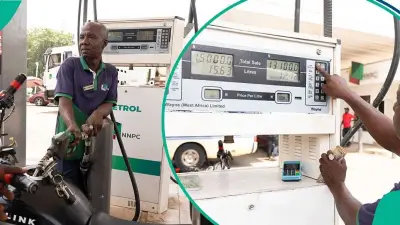
FG Expands ₦75,000 Cash Transfer to 15 Million Homes as 9 Million Already Paid
The Federal Government of Nigeria has significantly intensified its efforts to mitigate the economic impact of fuel subsidy removal through the comprehensive rollout of the Renewed Hope Conditional Cash Transfer (CCT) programme. This nationwide initiative is specifically designed to target an ambitious 15 million vulnerable households across the country, providing crucial financial support during a period of rising living costs and economic uncertainty.
Phased Payments for Sustained Relief
Under this carefully structured scheme, each eligible household is set to receive a total sum of ₦75,000, which will be disbursed in three distinct tranches of ₦25,000 each. This phased payment system represents a strategic approach to ensure that beneficiaries receive sustained assistance over an extended period, rather than a one-off payout that might be quickly exhausted.
The staggered payments are specifically engineered to help households better manage essential expenses such as food, transportation, and basic healthcare. This is particularly vital in the current economic climate, where inflationary pressures have been significantly triggered by the removal of fuel subsidies, placing additional strain on low-income families.
Significant Progress Already Achieved
As of March 2026, the programme has already demonstrated remarkable progress, with more than 9 million households having received the first tranche of payments. This achievement marks a significant milestone in what has become one of Nigeria's largest direct social intervention programmes in recent history.
The government's target of reaching 15 million households nationwide represents a comprehensive effort to address poverty at a substantial scale. The programme primarily focuses on Nigerians living below the poverty line, with the explicit goal of reducing economic hardship and improving household welfare across the country.
Digital Infrastructure and Transparency Measures
To ensure maximum efficiency and transparency in the distribution process, payments are being made directly to beneficiaries through verified bank accounts. In many instances, these accounts are linked to either the National Identification Number (NIN) or Bank Verification Number (BVN), creating a streamlined and secure verification process.
The enrollment and verification procedures are being carried out through specialized agencies including the National Social Safety Nets Coordinating Office (NASSCO) and the National Social Investment Management System (NASIMS), which maintain the national social register. This digital-first approach significantly reduces the risk of fraud and ensures that funds reach their intended recipients without unnecessary delays or bureaucratic obstacles.
Broader Economic and Social Objectives
The Renewed Hope CCT programme is being implemented under the direct supervision of the Federal Ministry of Humanitarian Affairs and Poverty Reduction, forming a crucial component of broader governmental efforts to tackle poverty and support economic inclusion. Authorities have described this initiative as a critical intervention at a time when many Nigerians are grappling with substantial increases in their cost of living.
Beyond providing immediate financial relief to vulnerable households, the programme is also expected to stimulate local economies, particularly in rural and underserved communities. By injecting cash directly into households, the government aims to create a multiplier effect that benefits small businesses and local markets throughout the country.
Future Implementation and Expansion
With over 9.17 million households already reached, the government is moving steadily toward its ambitious 15 million target. The success of the next phases of disbursement will determine how effectively the programme can sustain its current momentum and potentially expand its coverage to even more households in need.
For millions of Nigerians, these cash transfers represent more than just temporary financial aid. They offer a crucial buffer against economic shocks and provide a measure of stability during uncertain times, while simultaneously creating a foundation for long-term poverty reduction through targeted social investment.
The programme's implementation reflects a growing recognition of the need for comprehensive social safety nets in Nigeria's economic policy framework, particularly as the country navigates complex economic transitions and seeks to build more resilient communities across all regions.