
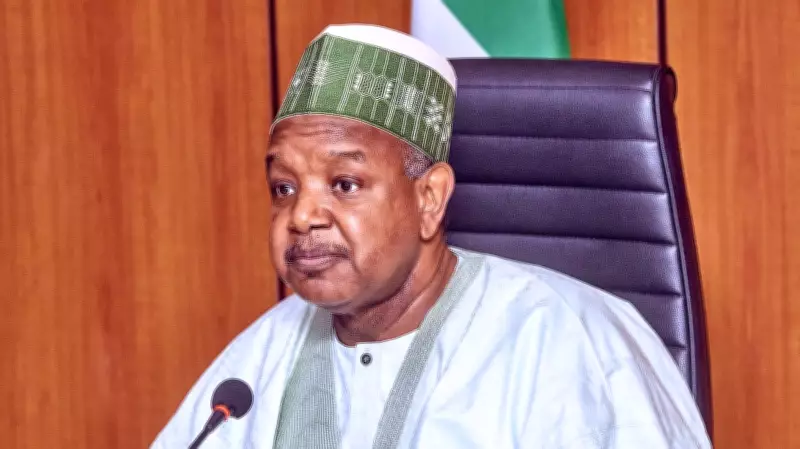
The Federal Government has called on German businessmen to deepen their investments in Nigeria, stating that President Bola Tinubu's reforms have broadened investment opportunities. Minister of Budget and Economic Planning, Senator Abubakar Bagudu, made this appeal at the Nigeria–Germany Business Day in Lagos, themed “Germany and Nigeria: Cooperating for Development and Business Promotion.”
Reforms Driving Stability
Bagudu highlighted that the reforms have brought macroeconomic stability, making the economy more predictable for investors. He noted that under President Tinubu's leadership, decisive measures were implemented to restore stability, improve fiscal sustainability, and strengthen investor confidence. Key reforms include the removal of fuel subsidies, liberalisation of the foreign exchange market, enhanced revenue mobilisation, and broader structural adjustments.
Positive Economic Indicators
The minister reported that total collected revenue rose from N19.9 trillion in 2023 to over N28 trillion in 2025, exceeding targets. Foreign exchange reserves increased to over $46 billion in early 2026, the highest in nearly eight years. Inflation has shown signs of moderation, and international credit rating agencies like Fitch and S&P Global have revised Nigeria's outlook to Stable.
Nigeria's capital market performed strongly in the first quarter of 2026, with the Nigerian Exchange among the better-performing emerging markets. Additionally, Nigeria remains off the FATF grey list, reinforcing confidence in its financial systems.
Bilateral Trade and Investment
Bagudu noted that bilateral trade between Nigeria and Germany rose by almost 30% to approximately €3 billion in 2025, making Nigeria Germany's second-largest trading partner in Sub-Saharan Africa. Over 90 German companies operate in Nigeria across sectors like energy, manufacturing, healthcare, logistics, and industrial services.
Long-Term Vision
The minister reiterated the government's commitment to achieving a One Trillion Dollar economy by 2030 through the investment-led National Development Plan (2026–2030), which places the private sector at the centre of transformation. He urged German businesses to explore growing opportunities in Nigeria and build on existing economic relations.




