
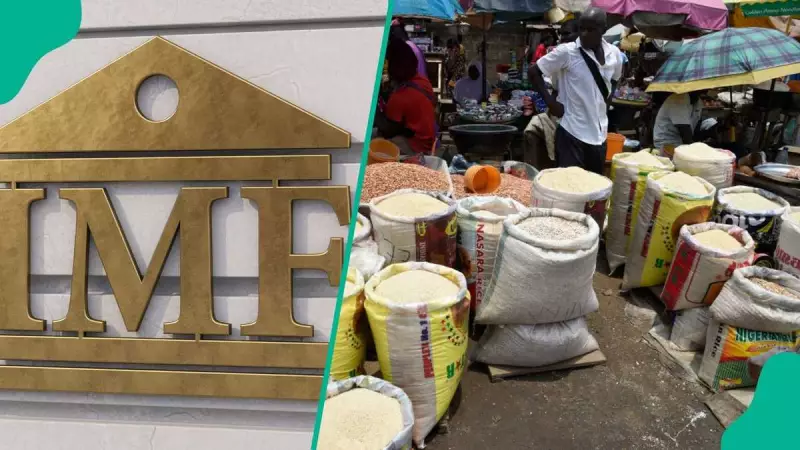
IMF Predicts Accelerated Economic Growth for Nigeria by 2026
The International Monetary Fund (IMF) has released a new forecast indicating that Nigeria's economy is set to grow at a faster pace by the year 2026. This projection comes as part of the IMF's latest global economic outlook, which assesses trends and potential developments across various nations.
Key Drivers Behind the Growth Forecast
According to the IMF, several factors are expected to contribute to this anticipated economic acceleration. Reforms in key sectors, particularly in the oil industry, are highlighted as major catalysts. Nigeria, as Africa's largest oil producer, has been implementing measures to boost production and stabilize output, which could significantly enhance revenue streams.
Additionally, ongoing economic policies aimed at diversification and improving the business environment are likely to play a crucial role. The IMF notes that efforts to reduce dependency on oil and promote non-oil sectors, such as agriculture and manufacturing, could further stimulate growth.
Global Context and Challenges
The forecast is set against a backdrop of global economic uncertainties, including inflationary pressures and geopolitical tensions. However, the IMF remains optimistic about Nigeria's potential to navigate these challenges. Improved fiscal management and strategic investments in infrastructure are seen as vital components that could support sustained economic expansion.
It is important to note that while the outlook is positive, the IMF also cautions about potential risks. Fluctuations in oil prices and domestic security issues could impact the projected growth trajectory. Therefore, continuous monitoring and adaptive policies will be essential to achieve the forecasted targets.
Implications for Nigeria's Future
If the IMF's predictions hold true, faster economic growth by 2026 could lead to numerous benefits for Nigeria. These include:
- Increased job creation and reduced unemployment rates.
- Enhanced government revenue for public services and development projects.
- Greater investor confidence and potential for foreign direct investment.
In summary, the IMF's forecast offers a hopeful perspective on Nigeria's economic prospects, emphasizing the importance of sustained reforms and strategic planning to realize this growth potential.




