AfDB Issues Stark Warning: Middle East Conflict Threatens Africa's Economic Stability
The African Development Bank (AfDB) has issued a critical alert, stating that the ongoing conflict in the Middle East could severely undermine economic growth across Nigeria and the broader African continent. According to the bank's analysis, if the crisis extends beyond six months, Africa could face economic losses of up to 1.5 per cent, highlighting significant vulnerabilities in the region's financial outlook.
Economic Projections and Immediate Impacts
Kelvin Urama, the Chief Economist at AfDB, revealed these findings during the launch of the 2026 Africa's Macroeconomic Performance and Outlook (MEO) report. He emphasized that while the initial effects of the conflict might be moderate, the situation adds substantial pressure to an already fragile economic environment. This fragility is characterized by escalating debt levels, diminishing foreign investment, and reduced development assistance, which collectively threaten sustainable growth.
Urama detailed that the extent of the economic damage would largely hinge on the conflict's duration. Short-term disruptions could lead to a growth decline of 0.2 percentage points if the conflict persists for up to three months. However, a prolonged crisis poses far greater risks, potentially weakening growth significantly across Africa and destabilizing economies that are already grappling with multiple challenges.
Broader Economic Pressures and Global Market Disruptions
The AfDB report underscores that Africa's economy is confronting mounting pressures beyond the Middle East conflict. These include weak inflows of foreign direct investment (FDI), which dropped by 42 per cent in the first half of 2025, and declining official development assistance (ODA). Additionally, broader global economic instability is exacerbating these issues, making it harder for African nations to achieve robust growth.
Despite these hurdles, the AfDB has maintained its growth projections at 4.3 per cent for 2026 and 4.5 per cent for 2027, indicating a cautious optimism amid the turmoil. The conflict has disrupted global energy markets, driving up oil prices and creating mixed outcomes for African economies. While oil-exporting countries might see some benefits from higher prices, the overall impact has been inflationary, increasing the cost of living continent-wide.
Inflationary Effects and Fiscal Strains
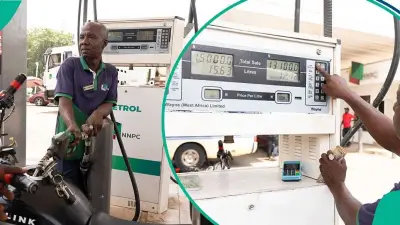
Rising oil prices have led to higher costs for fuel, food, and fertilisers, contributing to inflationary pressures that have affected 29 African countries, including Nigeria. Many of these nations have experienced currency depreciation as a result, further straining their economic stability. The AfDB stressed that Africa's fiscal position remains under significant strain, with public debt reaching $1.9 trillion in 2024 and debt servicing consuming over 31 per cent of government revenues.
Currently, seven African countries are in debt distress, with 13 others at high risk, highlighting the precarious financial state across the continent. External financing conditions are tightening, and cuts in foreign aid are threatening essential funding for health, education, and social programmes. Urama concluded that the combination of rising costs, weakening currencies, and constrained external financing underscores the growing vulnerability of African economies to global shocks, urging for strategic interventions to mitigate these risks.