N1,400 Fuel Price Hike Sparks National Silence Debate Amid Economic Strain
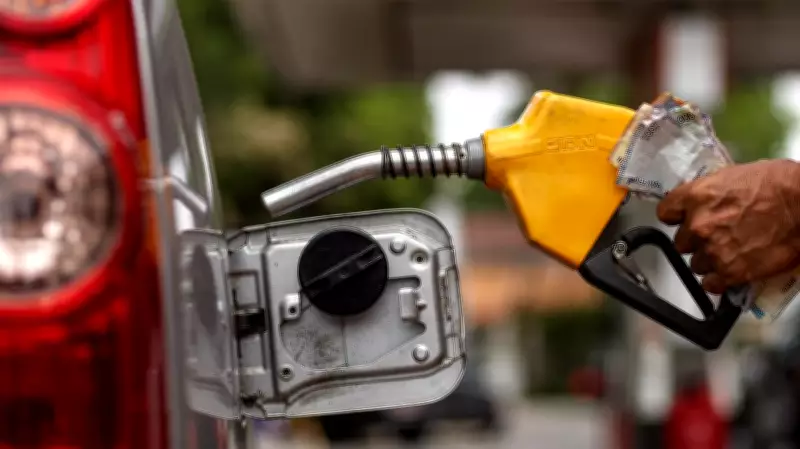
In a stark turn of events, the recent surge in petrol prices to N1,400 per litre has been met with an unsettling quiet across Nigeria, prompting widespread confusion and disappointment among citizens. This dramatic increase, which has effectively tripled the cost of essential goods and services, stands in sharp contrast to historical reactions where even minor price hikes triggered nationwide protests and labor strikes.
Historical Context and Current Calm
Just a few years ago, a mere N20 increase in fuel prices would have brought the country to a grinding halt, with labor unions and activists mobilizing masses to the streets. Today, however, the streets remain calm despite the severe economic strain. The price hike has cascaded into everyday life, driving up expenses from a bag of sachet water to danfo fares, such as the route from Oshodi to Mushin, yet public outcry is notably absent.
Questions Raised Over Labor and Activist Response
Many are questioning the silence from key stakeholders. Where is the fiery spirit of labor unions like the Nigeria Labour Congress (NLC), historically known for calling strike actions in defense of workers? Similarly, human rights activists, who once occupied television stations and public spaces to protest against the squeezing of the common man, seem to have retreated into the background. This "holy silence" has led to speculation that it may be linked to the fuel now being sourced from a local refinery rather than imported by the Nigerian National Petroleum Company Limited (NNPCL).
Local Refinery Success vs. Economic Realities
While there is a collective desire for local refineries to succeed, concerns are mounting that "made in Nigeria" should not equate to "more expensive for Nigerians." The promise was that refining domestic crude would shield the nation from the volatility of the dollar and global oil markets. Yet, the current scenario reveals a continued dependency on international factors, such as U.S.-Iran conflicts, despite Nigeria's abundant oil reserves in the Delta region.
Criticism of NLC and Civil Society
The NLC and other civil society groups face criticism for appearing more focused on issuing lengthy press releases than on tangible advocacy for the poor. Discussions around a proposed N154,000 minimum wage are underway, but even if implemented, the N1,400 fuel price threatens to erode its benefits before the month ends. This raises alarms about the effectiveness of current strategies in addressing the deepening economic hardship.
Human Impact and Call to Action
For the average Nigerian, the debate transcends economic theories like market forces or deregulation. A hungry individual is primarily concerned with practical survival—how to afford transport to get children to school without depleting a day's earnings. The silence in the face of such adversity is being labeled not as patriotism but as abandonment, urging a wake-up call for the NLC and civil society to re-engage and advocate vigorously.
Olatunji Abolore Quddus, a human resources practitioner based in Lagos, authored this critique, highlighting the urgent need for renewed activism in response to the fuel price crisis.