
Naira Suffers Sharp Decline in Parallel Market as Dollar Demand Intensifies
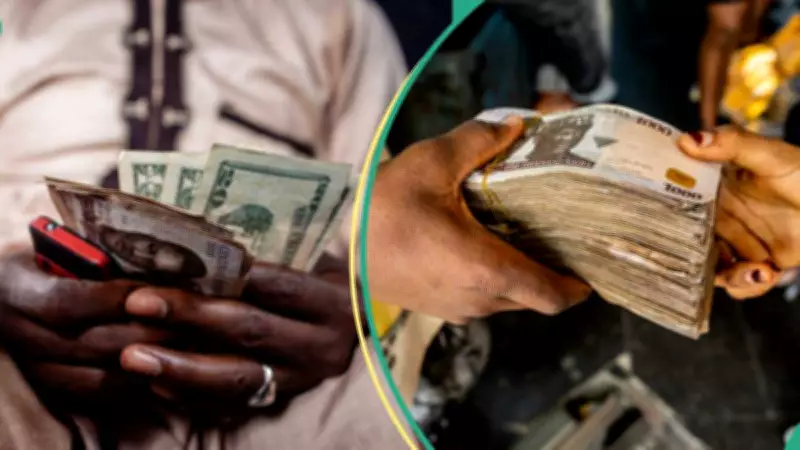
Nigeria's currency faced a significant setback on Thursday, with the naira weakening by N25 in a single trading session at the parallel market. This decline reflects renewed and intense demand pressure for the US dollar, as reported by street traders and online foreign exchange tracking platforms. The naira was observed trading between N1,410 and N1,420 per dollar across various black-market hubs nationwide.
Widening Gap Between Official and Parallel Exchange Rates
The latest depreciation has exacerbated the gap between the official exchange rate and the parallel market. The spread between these two markets expanded slightly to approximately N8, up from N7 recorded the previous week. This signals growing tension between demand and supply within Nigeria's foreign exchange ecosystem. Although this difference remains relatively narrow compared to historical periods of severe currency distortions, analysts warn that sustained pressure in the parallel market could further widen the gap if demand continues to escalate.
Central Bank of Nigeria's Intervention to Stabilize the Naira
Market participants attribute the cooling of the naira's earlier rally to proactive measures by the Central Bank of Nigeria (CBN). The apex bank has reportedly stepped into the market to moderate the pace of appreciation by actively buying dollars. This intervention aims to prevent the naira from strengthening too quickly, thereby avoiding excessive volatility and discouraging speculative trading. A currency trader familiar with the transactions stated, "CBN is the one mopping up the dollar because it was appreciating too fast. They're buying it from the market."
Naira's Performance in Official Market and Recent Trends
In the official foreign exchange window, specifically the Nigerian Foreign Exchange Market (NFEM), the naira also recorded a mild decline. The currency weakened by N2.80, with the dollar quoted at N1,387.09 on Wednesday compared to N1,384.29 on Tuesday, representing a 0.2 per cent depreciation. This indicates that pressure on the naira is gradually extending beyond the parallel market. Despite this recent dip, the naira has enjoyed a period of relative stability in recent weeks, supported by reforms and improved liquidity in the official market.
Analysts' Outlook and Future Currency Direction
Currency watchers emphasize that the direction of the naira in the coming weeks will largely depend on several key factors:
- Dollar liquidity and availability in the market
- Demand from importers and other foreign exchange users
- Further policy actions and interventions by the Central Bank of Nigeria
If demand for foreign exchange continues to rise in the parallel market, the naira could face renewed pressure. However, sustained interventions by the CBN and improved FX inflows may help stabilize the currency and maintain a relatively narrow gap between official and informal markets.
Historical Context and Recent Depreciation Trends
This recent decline follows a period where the naira had recorded gains, including an appreciation across both the official NFEM window and the parallel market in February, despite the central bank's interventions. Analysts at the Financial Markets Dealers Association noted that the naira still achieved gains last month, even as the apex bank conducted late-month foreign exchange purchases to limit excessive strengthening. The central bank's strategy appears focused on keeping the naira within a stable range while maintaining investor confidence and preventing abrupt currency swings.




