
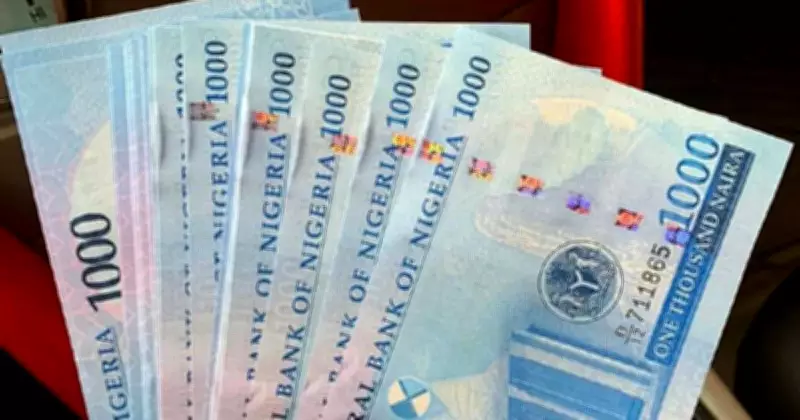
Naira Plummets to ₦1,378/$ as US-Iran Conflict Sparks Global Dollar Rush
The Nigerian naira experienced a significant depreciation on Monday, falling to ₦1,378 against the US dollar as escalating military conflict between the United States and Iran created widespread uncertainty in global financial markets. The heightened geopolitical tensions have triggered a substantial rush toward safer currencies, particularly the US dollar, putting considerable pressure on emerging market currencies like the naira.
Geopolitical Tensions Drive Market Volatility
The recent depreciation follows coordinated military actions by the United States and Israel against targets in Iran, which prompted sharp retaliatory measures from Tehran. This escalation has created significant instability in global energy markets, with particular concern focused on the Strait of Hormuz—a crucial shipping route through which approximately one-fifth of the world's daily crude oil supply passes.
Oil prices have already surged in response to fears of potential supply disruptions, with Brent crude climbing above $80 per barrel. This development presents a complex scenario for Nigeria's economy. As a major oil exporter, Nigeria could potentially benefit from increased export revenues if elevated oil prices persist, which might boost foreign exchange inflows and strengthen external reserves.
Investor Behavior and Currency Impact
However, the conflict has simultaneously contributed to increased volatility and risk aversion among international investors. During periods of geopolitical tension, investors typically reduce their exposure to assets perceived as riskier—including frontier market currencies like the naira—and increase their holdings in more stable instruments such as US Treasury bonds and the dollar itself.
According to financial analysts, this strategic shift in global capital flows directly weakens currencies like the naira as demand for dollars intensifies and investment capital tightens. The current depreciation reflects broader trends affecting emerging market currencies during geopolitical crises, where capital flight toward perceived safe havens becomes pronounced.
Domestic Economic Consequences
For ordinary Nigerians, a weaker naira typically translates to higher costs for imported goods and services. This includes essential items such as fuel, food staples, vehicles, and industrial inputs, potentially contributing to rising consumer prices and increased inflationary pressures in the coming months.
The situation arrives amid existing warnings that inflation in Nigeria might escalate further as global energy markets remain unsettled. Additional factors include increased freight and insurance costs due to heightened risk premiums associated with conflict zones, which could further strain Nigeria's economic stability.
Path to Stabilization
Economic experts emphasize that stabilizing the naira will require multiple coordinated efforts. Key factors include improved foreign exchange inflows, more stable global geopolitical conditions, and strategic policy responses from the Central Bank of Nigeria. With the US-Iran conflict continuing to unfold internationally, its impacts on Nigeria's currency and broader economy are likely to persist for the foreseeable future.
The ongoing situation underscores the interconnected nature of global markets and how geopolitical events thousands of miles away can directly affect Nigeria's economic indicators and the daily lives of its citizens through currency fluctuations and inflationary pressures.




