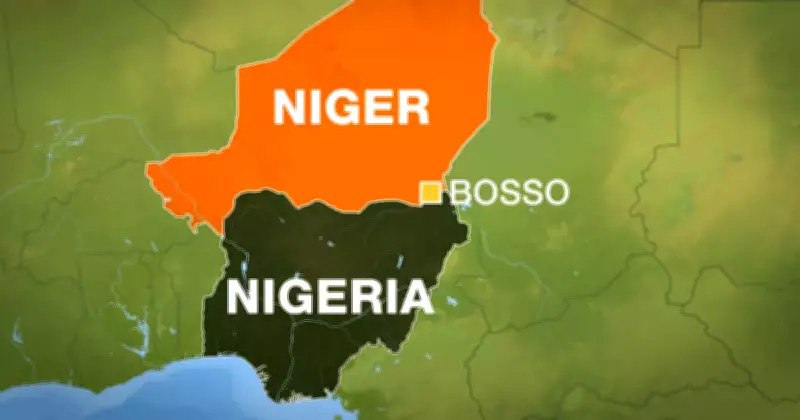
If you have ever wondered whether Niger is the same as Nigeria, you are not alone. These two West African nations share a border, a river, and names that differ by only three letters, but the similarities end there. While the world often confuses them, they are entirely different countries with distinct colonial histories, official languages, and cultural identities. Whether you are a student, a traveller, or simply curious, here are the essential differences between Niger and Nigeria to help you tell them apart forever.
1. Are Niger and Nigeria the same country?
No, Niger and Nigeria are not the same country. Niger is a French-speaking, landlocked nation in West Africa, while Nigeria is an English-speaking country with a coastline and the largest population in Africa. They share a border, but that is where most similarities end. One of the biggest differences is their colonial heritage: Niger was a French colony, making French its official language, while Nigeria was a British colony, with English as its official language.
2. Why do Niger and Nigeria have similar names?
The similarity comes from the Niger River, the third longest in Africa, which served as a highway for trade and life long before modern borders existed. Niger takes its name directly from the river, adopted at independence from France, and is pronounced "Nee-zher" with a soft 'j' sound. Nigeria, meaning "Land of the Niger," was coined to describe the area around the lower Niger. The name was suggested in an 1897 article in The Times by British journalist Flora Shaw, who later married Lord Lugard, the man who amalgamated the Northern and Southern Protectorates. Before that, the area was referred to as the "Royal Niger Company Territories." Contrary to popular belief, the name "Niger" does not come from the Latin word for black; it is derived from indigenous Tuareg phrases for the river.
3. One thing they have in common: The Hausa people
While the countries are politically distinct, they are culturally linked by the Hausa people, one of Africa's largest ethnic groups. Hausaland spans southern Niger and northern Nigeria. In Niger, the Hausa make up over 50% of the population, while in Nigeria, they are one of the "Big Three" ethnic groups alongside the Yoruba and Igbo. Although French and English are official languages, Hausa is the language of trade. With over 150 million speakers globally, a trader from Kano in Nigeria can conduct business fluently in Maradi, Niger, without a translator.
4. Population and global influence
The two neighbours operate on very different economic scales. Nigeria has over 200 million people, the largest population in Africa, and boasts one of the continent's largest economies. It is a global powerhouse in oil and gas, a rising hub for tech startups, and home to Nollywood, the world's second-largest film industry. In contrast, Niger has around 25 million people and a smaller, developing economy that relies heavily on agriculture. It is one of the world's largest producers of uranium, which is vital for global nuclear energy.
5. Colonial history
Colonial rule shaped both countries differently: Niger was part of French West Africa, while Nigeria was governed by Britain. These influences continue to affect their political systems and education today.
Why do people confuse Niger and Nigeria?
The confusion arises from nearly identical names, both countries being in West Africa and sharing a border, and a lack of global awareness about Africa's geography.
Frequently Asked Questions
Is Niger part of Nigeria?
No, Niger is an independent country and not part of Nigeria.
Which country is richer: Niger or Nigeria?
Nigeria has a much larger economy and more global economic influence.
Why do their names sound the same?
Both names come from the Niger River.