Analyst Urges Nigeria to Boost Oil Production Amid US-Israel-Iran War Fallout
A political commentator has strongly urged the Nigerian government to significantly increase its oil production capacity and strengthen local refining capabilities in response to the escalating conflict between the United States, Israel, and Iran in the Middle East. This call comes as the war disrupts global oil supply routes, leading to a sharp rise in petrol prices and increased cost of living for Nigerian citizens.
Impact of Middle East Conflict on Nigerian Economy
Olajumoke Shaqiru Victor, a political analyst, made these recommendations during an interview with Legit.ng, highlighting how the distant war is having direct and severe consequences on Nigeria's economy. Victor emphasized that the conflict has exposed Nigeria's vulnerabilities as an oil-producing nation that remains heavily dependent on volatile global market forces.
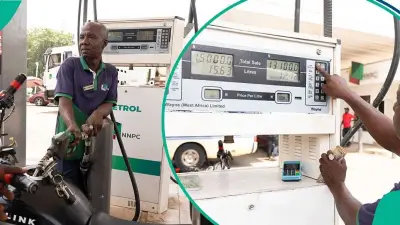
The crisis has particularly affected key shipping areas like the Strait of Hormuz, where disruptions have pushed crude oil prices higher worldwide. In Nigeria, this has translated to significantly increased petrol prices, with many citizens now paying substantially more for transportation and basic goods, straining household budgets across the country.
Historical Context of the US-Israel-Iran Conflict
The current escalation began when the United States and Israel launched attacks against Iran on Saturday, February 28, 2026, resulting in the assassination of Iran's Supreme Leader, Ali Khamenei. Since then, the Islamic Republic has initiated retaliatory strikes against Israeli and American military bases throughout the Middle East region.
Simultaneously, US and Israeli forces have continued bombing campaigns, including an incident that reportedly killed over 150 schoolgirls at a girls-only educational institution in Iran. US President Donald Trump has made conflicting statements about the conflict, initially claiming diplomatic intentions while simultaneously authorizing major combat operations against Iran.
Nigeria's Strategic Response Needed
Victor articulated the pressing need for Nigeria to develop more robust economic buffers against such global shocks. "The ongoing conflict involving the United States, Israel, and Iran shows how global politics can directly affect everyday life in Nigeria," he stated. "Even though the war is far away, its impact is strongly felt through rising fuel prices and increased cost of living."
The analyst further explained that while Nigeria might benefit from higher crude oil export revenues during such crises, ordinary citizens suffer disproportionately due to the resulting fuel price increases. This situation underscores the urgent necessity for Nigeria to reduce its dependence on imported refined petroleum products by developing stronger domestic refining capacity.
Broader Implications for Nigerian Energy Security
The closure of the Strait of Hormuz, a critical global oil transit route, has contributed significantly to the worldwide fuel crisis affecting Nigeria. This development highlights the interconnected nature of global energy markets and Nigeria's position within them. Victor's recommendations extend beyond immediate production increases to encompass long-term strategic planning for Nigeria's energy sector.
By enhancing local refining capabilities and creating more resilient economic structures, Nigeria could better shield its citizens from the ripple effects of international conflicts and market fluctuations. This approach would not only address current challenges but also strengthen Nigeria's economic sovereignty and energy security for future stability.