Nigerian Man in Canada Compares Fuel Prices, Reveals Stark Income Differences
A Nigerian man residing in Canada has sparked widespread discussion after comparing the price of petrol in Canada with that in Nigeria. In a TikTok video shared by user @omocana_, he highlighted that while fuel costs per litre are remarkably similar between the two nations, the income levels create a dramatic disparity in affordability for workers.
Fuel Price Comparison: Canada vs. Nigeria
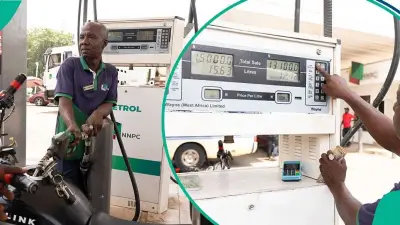
The man explained that fuel in Canada costs approximately CA$1.70 per litre, which converts to roughly N1,700 in Nigerian currency. He noted that in Nigeria, one litre of petrol sells for between N1,500 and N1,700, indicating that both countries have nearly identical pricing at the pump. This observation comes amid ongoing public outcry in Nigeria over rising fuel costs, despite the country having operational refineries.
Income Disparity and Affordability Concerns
Despite the similar fuel prices, the man emphasized that income levels differ significantly between Canada and Nigeria. To illustrate this point, he provided a compelling comparison using medical doctors as an example. He stated that a medical doctor in Canada can work for just 30 minutes to earn enough to fill their car's fuel tank. In stark contrast, a medical doctor in Nigeria might need to work for an entire week or more to afford the same amount of fuel.
He elaborated further on lower-income workers, noting that cleaners in Canada can afford fuel after a few hours of work, whereas their counterparts in Nigeria often struggle to own or maintain vehicles due to substantially lower wages. This comparison underscores broader economic challenges related to the cost of living and fuel price increases in Nigeria.
Broader Implications for Nigerian Economy
The man's video has resonated with many Nigerians, highlighting concerns about income inequality and economic realities. His analysis points to a situation where, despite comparable fuel costs, the purchasing power of Nigerian professionals is severely limited compared to those in developed countries like Canada. This disparity raises questions about wage structures and living standards in Nigeria.
The discussion also touches on related issues, such as a recent report about a Nigerian Keke rider who lamented making only N50 profit after a day's work, further illustrating the economic pressures faced by many in the country. The man's comparison serves as a poignant reminder of the need for economic reforms to improve income levels and affordability for Nigerian workers.