
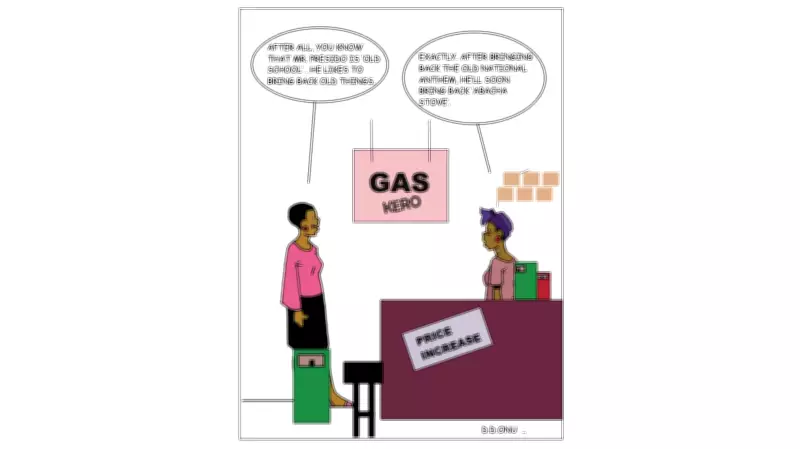
Nigeria is currently grappling with significant economic challenges that threaten the stability and prosperity of its citizens. The nation is experiencing high inflation rates, which have eroded purchasing power and increased the cost of living. Additionally, unemployment remains a critical issue, particularly among the youth, leading to social unrest and economic stagnation.
Root Causes of Economic Struggles
The economic difficulties can be attributed to a combination of factors, including over-reliance on oil revenues, inadequate infrastructure, and policy inconsistencies. The global decline in oil prices has exposed the vulnerability of Nigeria's mono-economy, while poor infrastructure hampers productivity and investment. Furthermore, frequent policy changes create uncertainty for businesses, discouraging long-term investments.
Impact on Citizens
The average Nigerian bears the brunt of these economic woes. Inflation has made basic necessities like food and transportation unaffordable for many. Small and medium-sized enterprises struggle to survive due to high operating costs and limited access to credit. The youth face a bleak job market, with many forced into informal employment or emigration.
Government Initiatives and Reforms
In response, the government has launched several initiatives aimed at stabilizing the economy. These include agricultural reforms to boost food production, diversification efforts to reduce oil dependence, and social investment programs to support the vulnerable. The Central Bank of Nigeria has also implemented monetary policies to curb inflation and stabilize the currency.
Path to Recovery
For sustainable recovery, experts recommend consistent policy implementation, investment in critical infrastructure, and fostering a business-friendly environment. Diversifying the economy into sectors like agriculture, technology, and manufacturing is crucial. Additionally, tackling corruption and improving governance will enhance the effectiveness of reforms.
While the road to recovery is long, there is optimism that with collective effort and strategic planning, Nigeria can overcome its economic challenges and achieve inclusive growth.




