Nigeria's Economic Response to Middle East War: Need for Government Intervention
The ongoing military conflict in the Middle East, involving the United States, Israel, and Iran, has escalated into a significant global crisis with profound economic repercussions. For Nigeria, a nation heavily reliant on crude oil exports, the war's side effects are glaring, necessitating urgent interventionist policies from both federal and state governments to prevent economic dislocation from spiraling out of control.
Impact on Global Oil Markets and Nigeria
The Strait of Hormuz, a critical chokepoint controlled by Iran, sees at least 20 percent of global crude oil trade. With the conflict constraining shipping and damaging oil-bearing vessels, global oil supply has been severely disrupted. This has driven crude oil prices from approximately $70 per barrel before the crisis to over $100 per barrel. As Iran holds the world's third-largest crude oil reserves, its role in this market intensifies the war's economic implications.
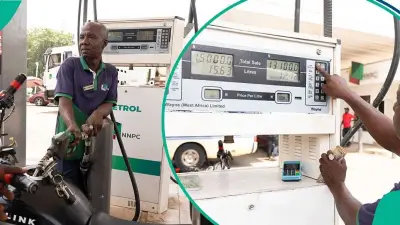
In Nigeria, this price surge has had ripple effects, notably increasing fuel costs. Premium Motor Spirit (PMS) prices have risen from around N800 per liter to about N1,336, with some hinterland areas experiencing prices exceeding N1,700 per liter. Transportation costs have nearly doubled, inflating prices for other commodities dependent on logistics. The federal government, through the Federal Competition and Consumer Protection Commission (FCCPC), has initiated nationwide monitoring to track pricing patterns and prevent arbitrary hikes, but questions remain about the effectiveness of these measures.
Government Responses and Criticisms
FCCPC Executive Vice Chairman Tunji Bello described emerging pricing adjustments as temporary market reactions, while Central Bank Governor Olayemi Cardoso asserted that Nigeria's macroeconomic reforms have strengthened the economy to withstand external shocks. However, these assurances are met with skepticism given the current inflationary trends and the tangible hardships faced by ordinary Nigerians. The Oyo State government's initiative to grant N10,000 monthly to workers as an inflation cushion is noted as a positive step, yet its limited coverage highlights the need for broader federal and state-level actions.
Critics argue that mere monitoring and promises are insufficient. The federal government stands to gain higher revenue from crude oil sales due to the price spike, exceeding the 2026 budget benchmark of $65 per barrel. This unexpected windfall presents an opportunity to implement temporary subsidies or other relief measures to stabilize commodity prices and alleviate public suffering. Proposals include introducing fuel subsidies for the duration of the crisis, with termination once market conditions normalize.
Call for Decisive Action
With the Strait of Hormuz situation unresolved and no clear end to the conflict in sight, the Nigerian government cannot afford passive hope for a swift resolution. It has a duty to act decisively, exploring viable options such as revenue sharing from increased oil earnings or engaging key stakeholders like the Dangote Refinery to manage price escalations. The focus must be on mitigating adverse effects and ensuring economic stability for all citizens, moving beyond rhetoric to tangible interventions that address the escalating cost of living.