Nigeria Confronts Fiscal and Inflation Challenges Amid Oil Market Volatility
Nigeria's downstream petroleum market is experiencing renewed strain following a directive by former US President Donald Trump to impose a naval blockade on the Strait of Hormuz. This escalation in Middle East tensions has the potential to drive crude oil prices as high as $127 per barrel, disrupting recent stability and intensifying economic pressures.
Market Reactions and Analyst Predictions
The announcement has heightened global commodity market tensions, with analysts forecasting crude prices to remain above $100 per barrel in the near term. This surge threatens to end the brief respite that followed a recent cease-fire deal, which had seen prices decline to around $90 per barrel last week. JPMorgan Chase analysts project that oil prices will stay elevated in the second quarter before moderating later in the year.
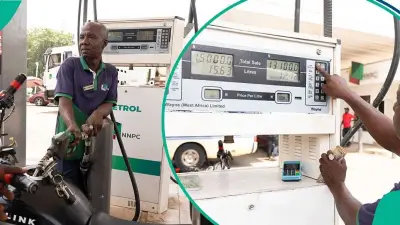
In Nigeria, the impact is already evident. Despite last week's temporary drop in crude prices, premium motor spirit (PMS) prices have held near N1,300 per litre, while diesel continues to trade around N2,000 per litre. This situation validates the rockets and feathers hypothesis, where prices rise quickly but fall slowly, exacerbating cost pressures on refiners like the Dangote Petroleum Refinery.
Economic and Social Implications
The volatility in oil markets could lead to further increases in fuel prices, with PMS potentially reaching N1,500 per litre or higher if tensions persist. Higher fuel costs are stoking social unrest, as highlighted by the World Bank in its latest Nigeria Development Update. The institution recommended issuing more import licenses to boost competition, a suggestion that has faced criticism from local economists who argue it could undermine ongoing economic reforms.
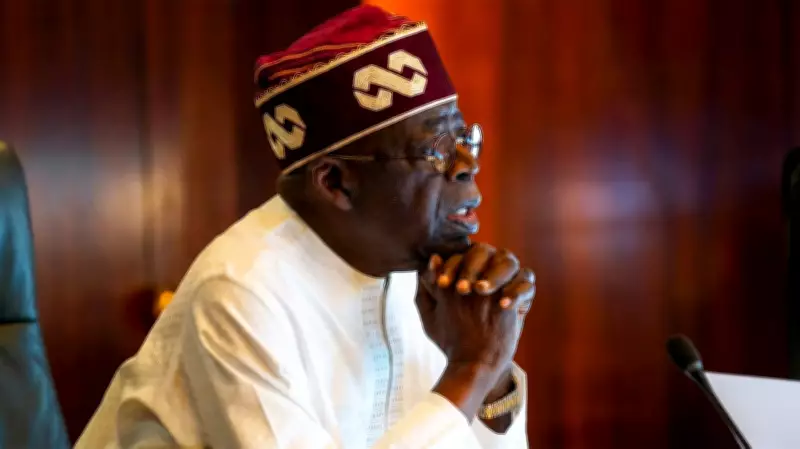
Dr. Muda Yusuf, Founder of the Centre for Promotion of Private Enterprise, has joined critics, warning that such measures would reverse policy gains and damage market confidence. President Bola Tinubu has maintained a pro-market stance over the past three years, implementing reforms that have improved fiscal outlooks but worsened the cost-of-living crisis inherited from the previous administration.
Global and Domestic Market Dynamics
Trump's announcement has jolted global energy markets, with Brent crude rising from approximately $95 per barrel as traders anticipate disruptions to the Strait of Hormuz, a critical transit route for nearly one-fifth of global crude flows. Shipping data indicates a sharp decline in vessel movements through the strait, with only about 10 ships crossing since the cease-fire, compared to a daily average of 125 previously.
Leonard Fisher-Matthews of ArgusMedia notes that political uncertainty between Washington and Tehran has left ship operators without clear safety protocols, stranding around 800 vessels carrying crude and other cargo. This disruption has direct implications for import-dependent economies like Nigeria, where experts warn of imminent upward pressure on petrol prices, tighter supplies, and renewed inflation risks.
Role of Dangote Refinery and Structural Constraints
The Dangote refinery, with a capacity of 650,000 barrels per day, plays a pivotal role in Nigeria's deregulated downstream sector, supplying a significant portion of the country's daily petrol consumption. The refinery has adjusted ex-depot prices in response to global crude movements, raising them to about N1,275 per litre when crude exceeded $100 per barrel and reducing them during price dips.
However, the refinery faces challenges in sourcing sufficient domestic crude, relying partly on international purchases tied to volatile global benchmarks. It requires 13 to 15 cargoes of crude monthly but struggles with local supply, forcing it into the global market and linking its pricing to international oil dynamics. Structural constraints in the downstream sector, including reduced import activity, further narrow competition and increase reliance on domestic refining.
Expert Insights and Future Outlook
Energy economist Wumi Iledare emphasizes that Nigeria cannot be insulated from global oil dynamics, noting that domestic pricing is directly tied to international benchmarks. He predicts short-term increases in petrol prices due to Middle East tensions and stresses the need for policies to protect social welfare during external shocks.
Dr. Ayodele Oni highlights the dual impact of higher oil prices: while they could boost foreign exchange earnings, they also risk intensifying inflation through rising transport and production costs. Sustained geopolitical tension may weaken investor confidence, complicating Nigeria's efforts to diversify its economy.
As Nigeria navigates these challenges, the ongoing crisis tests President Tinubu's commitment to market liberalization, especially with a general election approaching. The World Bank's call for aggressive imports to cool tensions contrasts with public demand for lower prices, as some advocate for temporary subsidies to maintain stability amid rapidly rising costs.