Nigeria's Minimum Wage Crisis: Ranking Among Africa's Lowest in 2026
Despite being Africa's largest economy, Nigeria's minimum wage of ₦70,000 per month places the nation among the continent's lowest earners, trailing behind fourteen other African countries including smaller economies like Benin and Togo. This wage, equivalent to approximately $41–$50 monthly, represents a significant disparity when compared to nations offering $80 to over $300 monthly minimum wages.
The Stark Reality of Nigeria's Wage Position
According to comprehensive data from Africa HR, Nigeria's current minimum wage translates to just $41.97 per month, a figure substantially lower than multiple African counterparts. While this marks an increase from the previous ₦30,000 monthly rate, rampant inflation and soaring living costs have dramatically eroded its real purchasing power. Labor unions, led by NLC President Joe Ajaero, continue organizing protests as approximately twenty Nigerian states have yet to implement the new wage structure nearly two years after its introduction.
African Nations Outperforming Nigeria in Minimum Wage
The following fourteen African countries demonstrate higher minimum wages than Nigeria, with economic structures, labor laws, and living costs playing crucial roles in their superior wage performance:
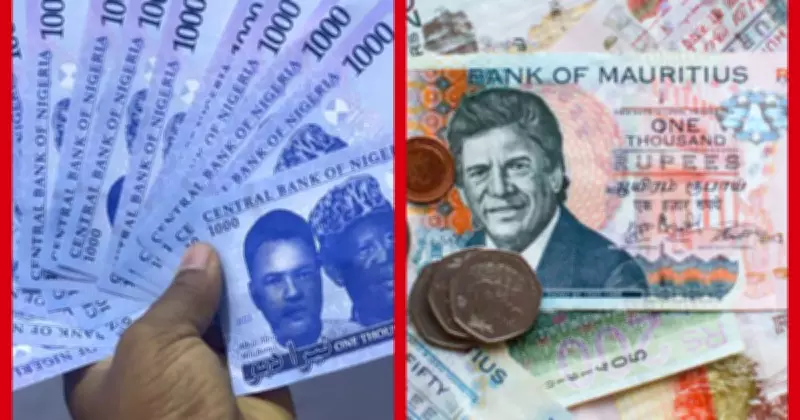
- Mauritius – $324.27/month: Benefits from diversified tourism, financial services, and manufacturing sectors with structured wage guarantee systems.
- Morocco – $231.12/month: Steady increases driven by manufacturing expansion, agricultural exports, and strong European trade ties.
- Tunisia – $132.73/month: Supported by manufacturing exports and service sector growth, though inflation impacts real value.
- Algeria – $149.92/month: Oil and gas revenues combined with public sector employment create stable wage floors.
- Egypt – $121.34/month: Recent increases due to currency devaluation and government reform programs, though inflation remains problematic.
- Gabon – $242.24/month: Oil-driven economy with small population maintains consistently high wage rankings.
- Equatorial Guinea – $95.28/month: Significant oil wealth drives wage benchmarks despite population struggles.
- Cabo Verde – $144.10/month: Tourism-led economy with stable governance enables structured labor policies.
- Lesotho – $104.36/month: Textile and garment industry exports heavily influence wage structures.
- São Tomé and Príncipe – $106.90/month: Maintains centralized wage system despite small national size.
- Mozambique – From $77.30/month: Sector-based wages with mining and energy workers earning significantly more.
- Namibia – Approximately $86.81/month: National framework supported by strong unions and formal employment systems.
- Benin – $83.98/month: CFA franc pegged to euro provides currency stability nearly doubling Nigeria's wage value.
- Togo – $84.78/month: Similar CFA currency advantages with controlled inflation preserving purchasing power.
Critical Factors Behind Nigeria's Low Wage Ranking
Multiple interconnected factors contribute to Nigeria's minimum wage deficiency:
- Exchange Rate Pressure: The naira's persistent weakness against major currencies drastically reduces wage value when converted to dollars.
- High Inflation: Soaring costs for food, housing, and transportation effectively cancel out nominal wage increases.
- Implementation Gaps: Inconsistent compliance across states and employers undermines the new wage structure's effectiveness.
- Economic Structure: Unlike resource-rich nations with smaller populations or diversified economies with stable currencies, Nigeria faces unique challenges in establishing competitive wage floors.
This comprehensive analysis reveals that while Nigeria's ₦70,000 minimum wage represents nominal progress, structural economic issues, currency volatility, and implementation failures continue to position Nigerian workers at a disadvantage compared to their African counterparts. The situation underscores the complex relationship between economic size, currency stability, and actual worker compensation across the continent.