
Nigeria's External Reserves Surge Past $50 Billion Mark, Highest in 13 Years
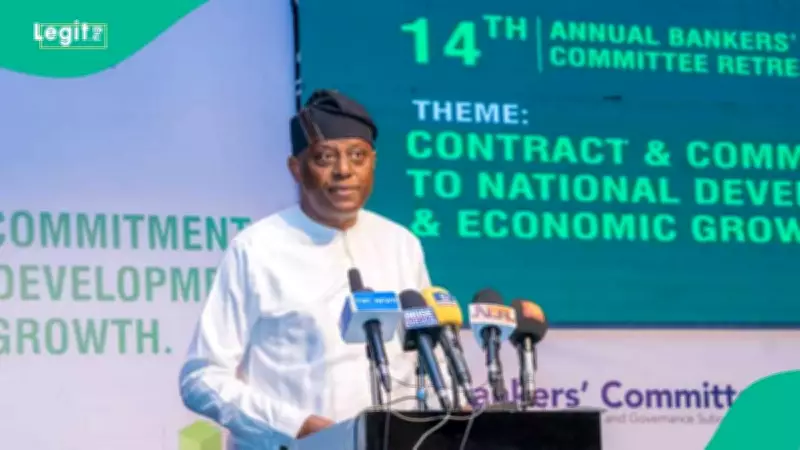
The Central Bank of Nigeria (CBN) has announced a significant milestone as the country's gross external reserves have climbed above the $50 billion threshold, marking the highest level recorded in more than 13 years. This development was revealed by CBN Governor Olayemi Cardoso during the Distinguished Alumni Lecture at St. Gregory's College in Lagos on Thursday, March 12, 2026, as part of the school's Founders' Day celebration activities.
Economic Reforms Driving Reserve Growth
Governor Cardoso attributed the remarkable surge in reserves to deliberate economic reforms, improved export performance, and renewed investor confidence in Nigeria's economy. He emphasized that the return to orthodox monetary policy has played a crucial role in stabilizing the financial system and strengthening the country's economic outlook.
"Stability cannot be restored through short-term measures alone," Cardoso stated. "It requires a return to fundamentals, disciplined policy, and the rebuilding of strong institutional foundations."
The CBN governor drew parallels between the foundational principles taught at St. Gregory's College and those necessary for building a resilient national economy, highlighting the importance of disciplined decision-making over quick fixes.
Exchange Rate Reforms Yield Positive Results
One of the key reforms highlighted by Cardoso is the elimination of multiple exchange rate systems, which had previously created distortions in the foreign exchange market. He revealed that the premium between the official exchange rate and the parallel market has narrowed significantly, dropping from approximately 50 percent in 2022 to less than two percent.
This improvement reflects increased transparency in the foreign exchange market and stronger confidence among investors and market participants. Simultaneously, capital inflows into Nigeria have surged dramatically, with investment and capital flows growing by nearly 200 percent between 2023 and 2025.
Inflation Control and Banking Sector Strengthening
Tight monetary policy measures implemented by the CBN have contributed to easing inflationary pressures, with inflation reportedly declining from a peak of about 34 percent to around 15 percent. This represents significant progress in the central bank's efforts to maintain price stability.
Regarding the ongoing banking sector recapitalization program, Cardoso provided encouraging updates. According to his announcement, 30 banks have already met the new minimum capital requirements set by the regulator, while 33 financial institutions have successfully raised additional capital through equity injections and other financial instruments.
The remaining banks are currently undergoing verification as part of the recapitalization process. Cardoso emphasized that this exercise represents more than just a regulatory adjustment, describing it as a strategic effort to ensure Nigeria's banking sector can finance large-scale investments needed to drive economic transformation.
Advice for Future Generations
Speaking to students at his alma mater, Cardoso encouraged them to adopt a multidisciplinary approach to education and career development. He noted that the future job market will increasingly reward individuals who combine creativity, technology, and analytical thinking.
With the rise of artificial intelligence, fintech, and digital platforms reshaping industries globally, the CBN governor urged young Nigerians to remain curious and adaptable. "The careers of the next twenty or thirty years will reward those who are curious, adaptable, and willing to learn beyond the limits of a single field of study," he advised.
Positive Economic Outlook
Despite ongoing global economic uncertainties, Cardoso expressed confidence that Nigeria is now better positioned to withstand external shocks. He noted that with stronger policy foundations and improved financial stability, the country has created the conditions necessary for sustainable long-term growth.
The steady rise in reserves reflects sustained momentum in reserve accumulation and growing confidence in ongoing reforms. This development comes amid a period of improved currency stability, with the naira showing signs of recovery across segments of the foreign exchange market.
Earlier reports indicated that Nigeria's foreign exchange reserves had surged to $48.5 billion, marking their highest level in nearly 13 years and signaling renewed strength in the country's external position. The latest figures confirm that this upward trajectory has continued, surpassing the significant $50 billion milestone.




