
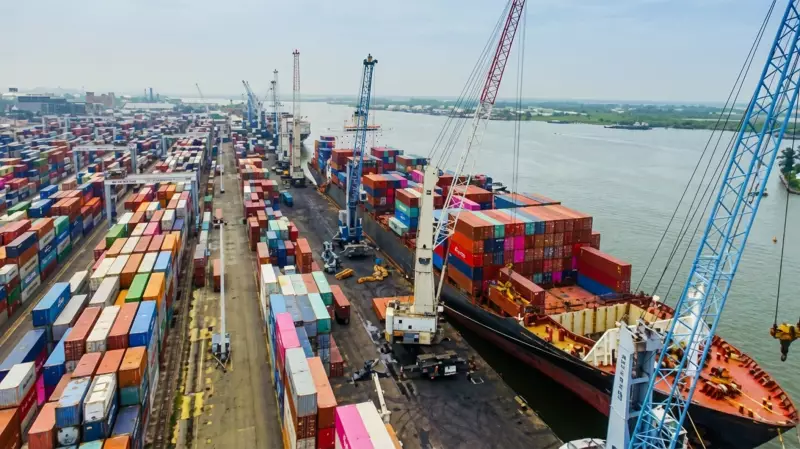
NSAN Raises Alarm Over New Port Service Charges
The National Shippers Association of Nigeria (NSAN) has voiced strong opposition to the recent increase in port service charges approved by the Nigerian Shippers' Council (NSC). The association warns that this move could significantly elevate trade costs and undermine the Federal Government's Ease of Doing Business agenda, potentially harming the broader economy.
Regulatory Failure and Economic Concerns
In a detailed position paper submitted to the NSC, NSAN described the fee hike as a regulatory failure, accusing the Council of prioritizing terminal operators' profitability over the interests of shippers and the national economy. The association cautioned that higher charges could lead to increased landing costs for imports, exacerbate inflationary pressures, and create uncertainty for businesses already struggling with high operating expenses.
Acting National President of NSAN, Jamilu Goma, expressed cautious optimism, stating, "We trust that the NSC will act with the integrity and fairness envisioned in its enabling Act." However, he emphasized the need for transparency and stakeholder consultation in regulatory decisions.
Stakeholder Outcry and Lack of Consultation
Alh. Ali Madugu, Chairman of the Board of Trustees of NSAN, strongly rejected the tariff increase, highlighting the lack of consultation with cargo owners. "We reject the recent tariff increase by service providers in the shipping industry. They arbitrarily woke up and increased their tariffs without really consulting with us, the cargo owners," he said. Madugu stressed that NSAN members, as cargo owners, are essential to the shipping industry, and it is only appropriate for the NSC and operators to engage them before implementing any fee adjustments.
Madugu further questioned the methodology used by the NSC to arrive at the new figures, calling for clarity and engagement with stakeholders. "The NSC, as the regulator, ought to have engaged NSAN and other stakeholders for necessary input before making a decision," he added.
Industry-Wide Opposition and Regulatory Response
The Western Zone Coordinator of the Association of Nigerian Licensed Customs Agents (ANLCA), Femi Anifowose, echoed these concerns, stating that no stakeholders were consulted before the hike. "Somebody cannot just wake up one day and decide to increase charges without consulting the stakeholders, and the Shippers Council has given them a letter to that effect, which is wrong," he explained. Anifowose noted that all parties, including manufacturers, have unanimously rejected the increase, and negotiations are ongoing to involve all stakeholders.
In response, the NSC had earlier directed all shipping companies, agents, and terminal operators at Nigerian ports to suspend any tariff increases until full consultation with stakeholders is completed. Rebecca Adamu, NSC Head of Public Relations, clarified that the recent adjustments were approved under the council's statutory mandate as the Port Economic Regulator, emphasizing a transparent and structured regulatory process. "As the Port Economic Regulator, the NSC will wield the big stick against any port service providers disrupting port operations," she added.
Call for Reversal and Future Actions
NSAN Secretary General, Ijeoma Ezeasor, reiterated the association's firm rejection of the charges, warning of potential public actions if the fees are not reversed. "We are rejecting it, and if at the end of this meeting the port charges are not reversed, we as stakeholders will go into meetings and address the public going forward," she said. Ezeasor noted that opposition to the charges is widespread across the industry, with freight forwarders and other stakeholders also rejecting the hike.
This development highlights ongoing tensions in Nigeria's maritime sector, as stakeholders call for more inclusive and transparent regulatory practices to support economic growth and stability.




