
Global Oil Market Panics Over US-Israel-Iran Tensions
Escalating tensions between the United States, Israel, and Iran have triggered significant panic in the global oil market, leading to a sharp surge in crude oil prices. This geopolitical conflict has raised widespread concerns about potential disruptions to fuel supplies worldwide, with energy analysts closely monitoring the volatile situation.
Critical Oil Transit Route Under Threat
The intensifying conflict has specifically heightened fears about oil shipments through the Strait of Hormuz, one of the world's most vital maritime passages for crude oil transportation. This narrow waterway handles a substantial portion of global daily oil shipments, making it particularly vulnerable to regional instability. Historically, any disturbance in this area has prompted rapid price increases as traders anticipate possible supply shortages.
Brent crude prices have already begun climbing upward as investors factor in the risk of potential disruptions. This development has injected fresh volatility into global energy markets, with experts warning that prolonged tensions could maintain elevated crude oil prices for an extended period.
Nigerian Fuel Prices Feel Immediate Impact
In Nigeria, the ripple effects of this global market turmoil are already becoming apparent. Petrol prices are gradually increasing as marketers adjust to rising crude oil costs. Since Nigeria's fuel pricing structure remains influenced by international oil benchmarks, any upward movement in global markets typically translates directly to higher pump prices for Nigerian consumers.
This situation comes at a particularly challenging time for Nigerian households, as inflation continues to strain family budgets. Higher fuel prices often lead to increased transportation costs and subsequent rises in goods prices, creating additional economic pressure on citizens already grappling with financial challenges.
Social Media Relief Over Dangote Refinery
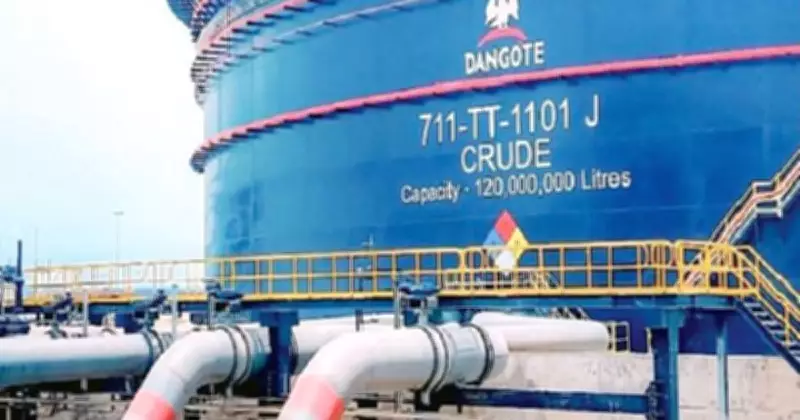
Amid this growing anxiety, many Nigerians have taken to social media platforms to express gratitude for the operational status of the Dangote Refinery. Located in Lagos, this massive refining facility has become a central topic in discussions about national energy security and reducing dependence on imported petroleum products.
On platform X, numerous users shared their perspectives:
- "Just imagine if we didn't have DANGOTE REFINERY. Reports indicate Iran has blocked the Strait of Hormuz. This shows how critical infrastructure projects are essential for national stability. Thank you, Alhaji Aliko Dangote."
- "We're now truly understanding the importance of the Dangote refinery to our economy and energy independence."
- "Thanks to Dangote Group's refinery in Nigeria. We possess the crude oil resources, and now we have the refining capacity. Please keep international conflicts away from African shores."
Expert Analysis on Domestic Refining Benefits
Energy specialists acknowledge that both perspectives hold validity. While domestic refining capabilities can significantly reduce exposure to foreign exchange pressures and import-related bottlenecks, the fundamental price of crude oil remains a crucial determinant of final petrol costs. The Dangote Refinery represents a strategic asset that could potentially mitigate some effects of global market fluctuations, though it cannot completely insulate Nigeria from international crude price movements.
As the US-Israel-Iran situation continues to evolve, global oil market observers are maintaining vigilant watch over developments. Currently, crude oil prices remain highly responsive to news emerging from the Middle East region. Nigerian citizens and policymakers alike are monitoring both international geopolitical developments and local fuel price adjustments with considerable interest, recognizing the interconnected nature of global energy markets and local economic realities.




