
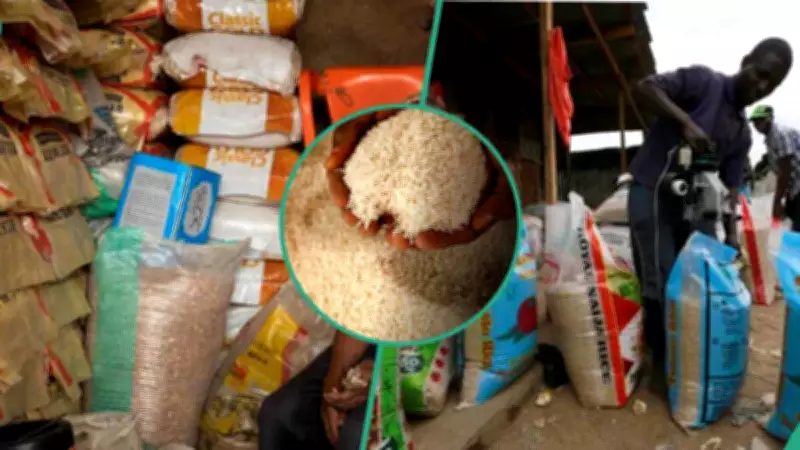
Nigeria's Rice Price Dilemma: Tinubu Government Weighs Import Ban Against Inflation Fears
The Federal Government of Nigeria is currently grappling with a significant economic policy decision that could impact millions of households across the nation. According to recent reports, authorities are considering the closure of all existing rice import channels following recommendations from a presidential advisory body. This potential move comes at a delicate time when Nigeria is balancing multiple economic priorities.
Policy Committee Recommends Import Restrictions
The National Agribusiness Policy Mechanism (NAPM), a presidential body responsible for guiding food and agriculture policy, has formally advised the government to officially terminate rice importation windows. This recommendation stems from concerns that Nigeria's current rice surplus relies excessively on international imports rather than robust domestic production capabilities.
Recent market data reveals the complex dynamics at play. During 2025, Nigeria imported approximately 2.4 million metric tonnes of rice at a staggering cost exceeding N1 trillion. The majority of these imports originated from Thailand and India, representing substantial foreign exchange expenditure for the nation.
The Import-Driven Price Reduction
The government's previous decision to allow increased rice imports produced measurable economic effects throughout 2025. Market observations documented a significant decline in rice prices, with a standard 50kg bag dropping from approximately N76,000 to about N55,000 in many Nigerian markets. This price reduction contributed directly to decreasing food inflation rates, which fell from over 26% in January 2025 to about 11% by December of the same year.
However, the NAPM committee has argued that these emergency import waivers are no longer necessary given the improved inflation situation. The committee's analysis suggests that Nigeria's rice surplus of approximately 1.1 million metric tonnes in 2025 existed primarily because of substantial imports rather than enhanced domestic agricultural productivity.
Local Farmers Face Mounting Challenges
Despite the apparent rice surplus, agricultural experts have identified concerning trends in domestic rice production. Comprehensive surveys conducted across thirteen Nigerian states involving over 33,000 farmers revealed troubling developments during the 2025 wet season. Rice production declined by nearly 8% due to escalating input costs and diminishing prices paid to farmers.
The research further indicated that many rice and maize farmers experienced financial losses following the opening of import windows. While production expenses for essential inputs like fertilizer, fuel, and irrigation remained persistently high, market prices for rice decreased significantly, creating unsustainable economic conditions for agricultural producers.
Structural Weaknesses in Agricultural Support
The policy committee highlighted several systemic issues plaguing Nigeria's rice farming sector. Farmers currently operate without any formal price support mechanisms, such as guaranteed minimum prices, leaving them vulnerable to market fluctuations. Additionally, agricultural extension services face severe limitations, with reports indicating that a single extension officer typically serves over 6,000 farmers, severely restricting access to improved seeds and modern farming techniques.
These challenges have prompted concerning behavioral shifts among agricultural producers. Approximately 10.6% of rice farmers surveyed indicated plans to transition to alternative crops like vegetables, wheat, or export-oriented agricultural products in the upcoming farming season.
Industry Warnings and Economic Implications
Agricultural industry leaders have issued stark warnings about the potential consequences of abruptly closing rice import channels without implementing adequate support measures. Experts caution that without appropriate subsidies and structural support systems, additional farmers and rice millers may exit the industry entirely, potentially leading to significant job losses and future supply shortages.
Economic analysts emphasize that the Tinubu administration now confronts a complex policy dilemma. The government must simultaneously protect domestic agricultural producers, conserve valuable foreign exchange reserves, and prevent another surge in rice prices that could exacerbate the cost-of-living crisis affecting millions of Nigerian households.
The Smuggling Dimension
Complicating this policy decision further is the persistent challenge of rice smuggling across Nigeria's borders. The Nigerian Customs Service has repeatedly warned that illegal importation of banned items, including rice, continues to undermine government revenue collection and increase pressure on foreign exchange reserves. Customs officials argue that effective control of rice smuggling is essential to creating an environment where domestic rice millers can expand operations, generate employment opportunities, and compete fairly in the marketplace.
As Nigeria approaches this critical policy crossroads, the government's decision will likely have far-reaching implications for food security, agricultural development, and economic stability throughout the nation.




