Sachet Water Prices Surge in Kano as Production Costs and Diesel Expenses Rise
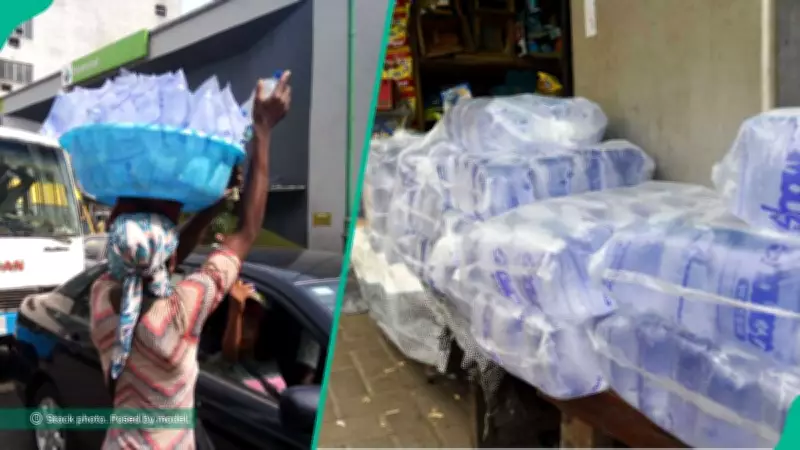
Residents of Kano are grappling with a significant increase in the cost of sachet water, commonly known as "pure water," as prices have risen noticeably across the city. A bag that previously sold for approximately N250 is now priced between N300 and N350, depending on the brand and specific location. Premium variants have experienced even steeper increases, jumping from around N500 to as high as N700 per bag.
Household Budgets Under Pressure
This upward trend is placing additional strain on households that rely on sachet water as one of the most affordable and accessible sources of drinking water, particularly in areas where consistent pipe-borne supply remains limited. For many low-income earners, sachet water has long served as a daily necessity rather than a mere convenience. The price hike is already affecting buying patterns, with consumers reporting they are cutting back on purchases due to the rising costs.
Buhari Abdullahi, a Kano resident, explained that many households are reducing their consumption. Buyers who previously purchased two bags at a time are now settling for just one, while alternatives such as bottled or dispenser water have also become more expensive, further narrowing options for families. The situation is creating visible financial pressure on household budgets and reducing overall purchasing power in the community.
Vendors and Producers Point to Different Causes
Local vendors like Ridwan Adamu have criticized manufacturers for what they describe as arbitrary price increases, arguing that weak regulatory oversight has allowed producers to adjust prices without sufficient restraint. Adamu noted that even when planned price hikes are publicly announced, authorities rarely intervene to enforce controls or stabilize the market, leaving consumers vulnerable to continuous price escalations.
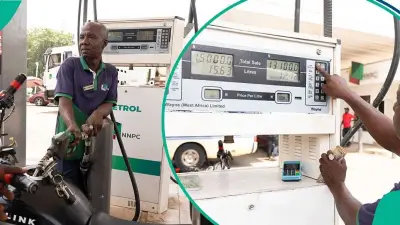
Manufacturers, however, insist that the increases are driven by economic realities rather than opportunism. Umar Idris, a sachet water producer, pointed to the escalating cost of diesel—used to power water treatment plants and distribution vehicles—as well as higher prices for essential inputs like nylon packaging, treatment chemicals, and transportation. These factors collectively contribute to the rising production expenses that are passed on to consumers.
Broader Economic Factors at Play
Industry observers note that Nigeria's heavy reliance on self-generated power significantly affects production costs, especially in regions where electricity supply is unstable and unreliable. The need for constant diesel-powered generators adds substantial operational expenses for water treatment facilities. Combined with ongoing inflationary pressures and persistent logistics challenges, these economic factors continue to push up the final retail price of basic commodities, including sachet water.
As the situation unfolds, many Kano residents are left with limited choices—either pay the higher prices or seek alternative water sources, which may not always be as safe or readily available. The price increase highlights broader economic challenges affecting essential goods in Nigeria, where production costs and transportation expenses are increasingly impacting everyday affordability.
Related Social Media Phenomenon
In a related development, a street vendor recently gained attention online after being spotted selling sachet water while dressed in an outfit resembling that of a medical doctor. The vendor, who carried a bowl of sachet water on his head, drew reactions from passersby due to his unusual appearance. The incident quickly gained traction on social media, where users offered mixed reactions—some praised his unconventional marketing approach as innovative, while others simply found the scene amusing.
This social media moment underscores the creative approaches some vendors are taking in a competitive market, even as economic pressures mount. However, it does little to alleviate the fundamental issue of rising costs that are making basic necessities less accessible to ordinary Nigerians.