
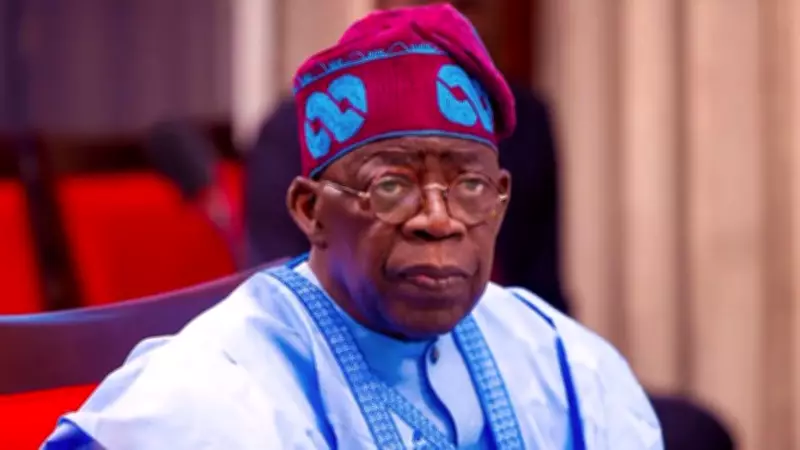
When President Bola Ahmed Tinubu assumed office in 2023, he faced a turbulent economy with a depleted treasury, drained by subsidies and wealth siphoning. Multiple exchange rates benefited a few while causing hardship for many. Inflation eroded purchasing power and investor confidence. The choices before Tinubu were clear: stabilize, restructure, and grow. As a politician, he understood that the people must interpret the pain as a temporary sacrifice for a greater purpose.
This marked the beginning of a deliberate paradigm shift from a consumption-driven, rent-seeking economy to an investment and production-driven one. The journey started roughly with fuel subsidy removal, foreign exchange unification, and tax reforms. Each step brought pain and noise, but the target was clear: eliminate distortions and make Nigeria investor-friendly.
Results of the economic voyage
Today, the story has turned into testimonies. The voyage is yielding results, especially with Finance Minister Taiwo Oyedele’s Midas touch. Macro stability is evident as the FX market is unified, and the multiple-rate circus is gone. Investors can now price risk without guessing which rate applies. Month-on-month inflation figures show supply chains adjusting and monetary policy biting. Though still high, the direction is right. External reserves are stabilizing as oil production edges up and non-oil exports receive policy support.
Fiscal discipline has improved: subsidy removal freed up fiscal space, now directed to capital projects in education, health, and targeted transfers, while revenue collection has increased. Tax reforms and digitalization are closing decades-old leaks. Debt servicing as a share of revenue is trending downward because revenue is growing faster than debt.
Real sector momentum
Signals from the real sector show positive momentum. Local contractors are returning to sites in several states as payment cycles shorten. Agriculture and manufacturing sectors receive targeted FX allocations and input support. The stock market is improving with renewed foreign interest due to policy clarity. These outcomes are not miracles but the result of necessary work in clearing arrears, fixing processes, and sticking to a plan even when unpopular.
Taiwo Oyedele’s Midas touch
The appointment of Taiwo Oyedele as Finance Minister was competence-driven. He inherited a situation where contractors were owed for up to 18 months, with opaque verification processes where ghost contracts mixed with real ones. Ministry teams worked in silos without coordination. Patriotic contractors had to borrow at 25% interest rates, only to remain unpaid after completion. Stalling payments for local contractors—canaries in the local mine—invited chaos: projects collapsed, livelihoods were lost, banks cut credit, and the economy contracted.
Oyedele changed the narrative from “we’re working on it” to a clear payment schedule tied to budget releases. He provided details of the verification process to eliminate ghost contracts and proved commitment by releasing monthly payment updates. He has the capacity to sit with IMF technocrats and local influencers without losing credibility. His Midas touch is strengthened by clear responsibilities: Finance manages cash, debt, and budget discipline; Trade and Industry push non-oil exports; the Central Bank focuses on monetary policy. Each ministry provides tangible, verifiable infrastructure against capital allocations.
Oyedele brings technical depth, private sector fluency, and political discipline. He prefers talking in cash flows, timelines, and deliverables. On May 4, 2026, he interfaced with local contractors under the 4-Part Reform Framework agreed with the All Indigenous Contractors Association of Nigeria. His multifaceted approach includes structured reconciliation with monthly updates, claims verification before scheduling, and joint institutional effort tying payment schedules to budget releases. This has reduced cash flow stress and restored trust. The verification-first process separates legitimate obligations from inflated contracts, focusing spending on capital expenditure claims. The structured settlement bases payments on fiscal reality, avoiding lump-sum blowouts. Institutional coordination aligns thoughts and expenses.
Global confidence
On the sidelines, President Tinubu and Finance Minister Oyedele engaged in France, meeting with top investors. President Tinubu and French President Emmanuel Macron discussed marketing Nigeria as an investment destination. They met with global institutions like Citibank, Amundi, PGIM, Ninety One, Blue Crest, Kirkoswald, Principal, Finisterre, and Mesarete Capital—firms with trillions in assets under management. This represents a major vote of confidence in Nigeria’s economic management. No institution of that caliber would waste time if nothing were at stake. Discussions centered on securing investments for Nigeria’s quest for a $1 trillion economy by 2030. Detractors can now see that Oyedele’s Midas touch is lifting citizens from poverty to prosperity in line with the Renewed Hope Agenda.
Taiwo Oyedele is a superlative addition to the administration. His recent interface with local contractors was heart-touching, reinforcing confidence in the government. The economic voyage has returned results showing that President Tinubu and his team are meeting with the best and doing their best to move Nigeria from poverty to prosperity.




