
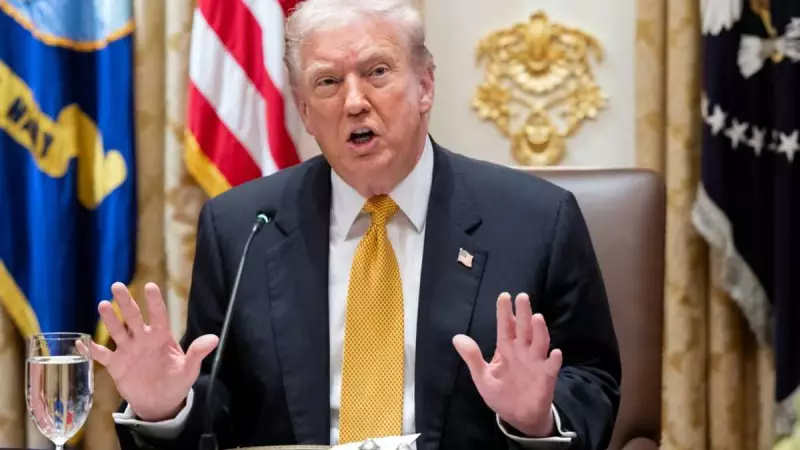
Facing growing anxieties over the cost of living, US President Donald Trump has put forward a series of bold policy proposals, including direct $2,000 payments to Americans and the introduction of 50-year home mortgages. This comes as economic concerns create unease within his own Republican party.
Political Pressure and Policy Responses
The issue of affordability moved to the forefront after Democrats secured significant victories in off-year elections in states like New Jersey, New York, and Virginia last week. Voter frustration over rising prices was seen as a key driver of those results. President Trump initially showed irritation when questioned about the matter, telling reporters, including one from AFP, "I don't want to hear about the affordability," and instead pointing to former President Joe Biden as the source of inflation.
Despite this, there are clear indications that the Trump administration recognizes the political danger. The White House fears the issue could harm Republican prospects in the crucial 2026 US midterm elections. In response, the administration has been highlighting efforts to lower prices on essentials like gas and eggs. A White House official also confirmed that President Trump plans to increase his domestic travel to promote his economic message more aggressively.
A Closer Look at the $2,000 Dividend Plan
One of the most attention-grabbing ideas was floated by Trump on social media over the weekend. He proposed giving every American a $2,000 dividend, financed by the revenue generated from his widespread international tariffs. This concept is similar to the stimulus checks distributed during the COVID-19 pandemic.
However, the feasibility of this plan is immediately questionable. While Trump claimed tariffs are bringing in "trillions of dollars," official data from the US Treasury Department tells a different story. The data shows that customs revenues, which include tariffs, increased by $179 billion in the period from January to September this year. Furthermore, the legality of these tariffs is currently under review by the US Supreme Court. Trump's spokeswoman, Karoline Leavitt, stated the White House is "committed" to the idea but admitted there is "no timeline" for its implementation.
Controversy Over 50-Year Mortgages
Another controversial proposal from Trump involves radically changing the housing market. He suggested offering homeowners the option of a 50-year mortgage, a significant extension from the standard 30-year maximum. Trump defended the idea, stating, "It's not even a big deal. All it means is you pay less per month, you pay it over a longer period of time."
Critics, including some within his own MAGA movement, have been quick to point out the major drawback. While monthly payments would be lower, homeowners would end up paying substantially more in interest to banks over the life of the loan. The proposal has also caused internal friction, with US media reporting that key White House staff were angered by a housing official for suggesting the 50-year mortgage idea without proper consultation.
Healthcare and the Road Ahead
Beyond dividends and mortgages, Trump has also ventured into healthcare policy. On his Truth Social network, he proposed that government subsidies currently paid to health insurance companies under the Obamacare program should instead be sent directly to Americans. He argued this would allow people to choose their own healthcare plans, cutting out the "money sucking insurance companies." However, the president has provided very few concrete details on how such a system would operate.
These sweeping proposals highlight the administration's scramble to address the potent issue of the cost of living. As the political pressure mounts, the debate over these unorthodox ideas is sure to intensify, setting the stage for a fierce economic battle leading into the next election cycle.




