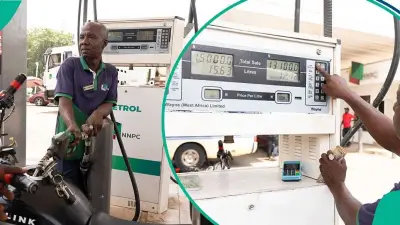
TUC and World Bank Call for Institutional Support for Local Refineries and Vulnerable Nigerians
As crude oil prices surge above $100 per barrel, the Trade Union Congress (TUC) and the World Bank have jointly urged the Federal Government to provide robust institutional backing for local refineries and implement targeted support measures for the most vulnerable segments of the Nigerian population. This call comes amid escalating fuel prices and global supply chain disruptions, highlighting the urgent need for policy interventions to mitigate economic hardship.
World Bank Advocates for Transparent Social Safety Nets
In a statement issued last week, the World Bank emphasized the necessity of a functional and transparent social safety net system. The Bretton Woods institution acknowledged the efforts of both the government and private sector in safeguarding fuel supply, which is critical for protecting consumers and businesses. The World Bank also underscored the importance of transitioning toward a competitive retail market for premium motor spirit (PMS), advocating for a well-sequenced implementation strategy that ensures the quality and standards of all petroleum products.
TUC President Festus Osifo Proposes Subsidy Model
Speaking in Abuja on the rising pump prices, TUC President Festus Osifo called on the government to allocate a portion of the excess revenue generated from crude oil sales above the budget benchmark of $64.85 per barrel to subsidize crude supplied to local refineries. Osifo suggested that this measure, implemented in collaboration with entities like the Dangote Refinery, could serve as a short-term intervention to reduce fuel prices nationwide. He warned that without proactive steps, petrol prices could climb to approximately N2,000 per litre, exacerbating hardship for vulnerable groups.
Osifo highlighted the severe economic impact of current fuel price increases:
- Nigerian workers are experiencing excruciating pain due to soaring transportation and manufacturing costs.
- The price of diesel has risen, driving up production expenses and leading to higher shelf prices for goods.
- If unchecked, this trend could reverse the declining inflation rate, pushing it upward again.
Proposed Subsidy Mechanism and Currency Concerns
Osifo proposed that if crude oil sells at about $100 per barrel, the difference from the budget benchmark should be partially used to subsidize crude for local refineries. He estimated that allocating 60% of this difference could lead to an immediate reduction in fuel prices within one to two weeks. However, he cautioned that any subsidy model must be well-thought-out, transparent, and free from corruption to be effective.
Additionally, Osifo pointed out that with crude oil above $100 per barrel, the Naira should ideally strengthen to between N800 and N900 per dollar, compared to its current rate of around N1,500 per dollar. He argued that a stronger currency would enhance purchasing power and reduce petrol prices to below N1,000 per litre, alleviating financial strain on citizens.
Challenges with Alternative Energy Solutions
Osifo also addressed the limitations of compressed natural gas (CNG) as an alternative to petrol, citing infrastructure deficits, high costs of kits, rising gas prices, and a lack of technical know-how as major obstacles. He noted that CNG stations are scarce in cities like Abuja and Lagos, with most state capitals lacking any facilities, urging the government to develop workable strategies to overcome these challenges.
In summary, the TUC and World Bank's recommendations focus on bolstering local refinery operations through targeted subsidies and enhancing social safety nets to protect vulnerable Nigerians, all while addressing broader economic and energy sector issues to stabilize fuel prices and support sustainable growth.