
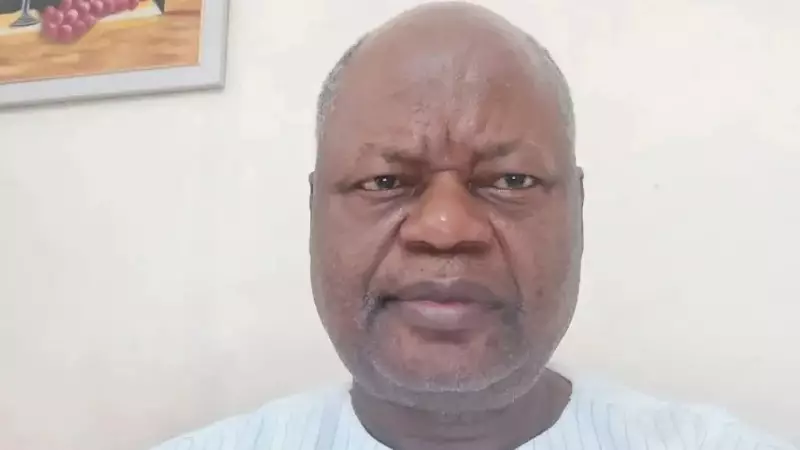
A leading economist has issued a stark warning that the global economy is losing out on a staggering $12 trillion due to untapped female talent and persistent gender gaps. He emphasised that Nigeria, in particular, cannot achieve inclusive or sustainable growth without making women's participation a top priority.
Abuja Event Launches Catalyst for Change
This urgent call was made by Prof. Kenneth Ife, President of the Institute of Professional Economists and Policy Management (IPEPM). He spoke in Abuja on 8 December 2025 during the launch of the Women in Economics and Development Foundation (WEDF). The event, themed “A Catalyst for Inclusive Growth and Sustainable Development”, also saw the unveiling of the organisation's new empowerment programme.
The Founder of WEDF, Dr. Annette Mubarak, explained that the Foundation was born from a passionate desire to see women rise as powerful agents of economic transformation and digital innovation. She lamented that the contributions of women, whether in classrooms, corporate offices, or government ministries, are consistently undervalued.
"This initiative marks the start of a revolution in mindsets, opportunities, and transformation," Mubarak stated. She reiterated a powerful message: women are not waiting for change; they are the catalysts of change. The Foundation's programme will focus on several critical areas:
- Capacity development and mentorship
- Entrepreneurship support
- Improving access to finance
- Policy advocacy
The Staggering Cost of Gender Inequality
Prof. Kenneth Ife, a global economic analyst, provided compelling data to highlight the scale of the disparity. He revealed that while women contribute 43% of agricultural labour and represent one in three businesses globally, they receive less than 10% of available venture capital.
The situation in Nigeria is equally concerning. Women make up roughly 49% of the population, yet they hold only 22% of senior economic leadership positions. Ife warned that these structural inequities come at a high cost to national and global prosperity.
"Closing the gender gap in economic participation could contribute an additional $12 trillion to global economic output," Ife asserted. He stressed that improving gender parity does more than boost GDP; it strengthens governance and builds national economic resilience.
A Path to Stronger Economy and Governance
Prof. Ife pointed to evidence showing that countries with more equitable participation of women in economic decision-making experience higher GDP growth and make faster progress toward Sustainable Development Goals (SDGs). These goals include poverty reduction, gender equality, decent work, and building strong institutions.
He issued a direct appeal to policymakers, institutions, and private sector leaders. They must create deliberate platforms and strategies to integrate women into key economic decision-making spaces. "Unlocking women's economic power is central to Nigeria's growth and Africa's development," Ife declared.
He concluded with a powerful summary of the benefits: "The opportunity of unlocking women's economic power allows you to boost GDP, give you stronger SMEs, create more resilient households, increase employment and also improve governance." The launch of WEDF in Abuja represents a concrete step toward seizing this multi-trillion dollar opportunity for Nigeria and the world.




