What $100 Can Actually Buy in Nigeria: A 2026 Price Breakdown
Understanding how much $100 can buy in Nigeria is a crucial question for anyone receiving remittances, planning a visit, or simply trying to grasp the country's economic reality. After extensive research tracking exchange rates and interviewing Nigerians about their spending habits, it's clear that the answer is complex and ever-changing.
The Current Exchange Rate Reality
As of April 2026, $100 converts to approximately ₦145,000 to ₦152,000, depending on where and how you exchange it. This represents a massive increase from just five years ago when the same amount fetched roughly ₦50,000. However, this three-fold increase in naira equivalent doesn't mean your dollar goes three times further, as inflation has significantly eroded that apparent gain.
Nigeria operates with multiple exchange rates. The official Central Bank of Nigeria rate fluctuates daily around ₦1,450 to ₦1,480 per dollar, applying to formal banking transactions and international wire transfers. Meanwhile, the parallel market rate, often called the "black market" rate, serves ordinary Nigerians needing foreign currency for travel, education, or business imports, typically offering ₦1,480 to ₦1,520 per dollar.
The difference between these rates can be substantial. For example, exchanging $500 recently showed a ₦30 difference between Monday and Wednesday rates, resulting in ₦15,000 more in pocket—nearly enough to cover another week of medical expenses.
Seven Strategies for Maximizing Your $100 Purchasing Power
Through research and interviews with Nigerians managing dollar transactions, seven concrete strategies emerge that genuinely make a difference:
- Monitor exchange rates actively for at least three days before converting. Rates swing wildly, and patience can earn you ₦5,000 to ₦10,000 extra on a $100 exchange.
- Join currency tracking groups on WhatsApp or Telegram where traders share real-time rates throughout the day.
- Choose your exchange location strategically based on transaction size. For $100 to $500, local bureaux de change in commercial areas offer better rates than banks but worse security.
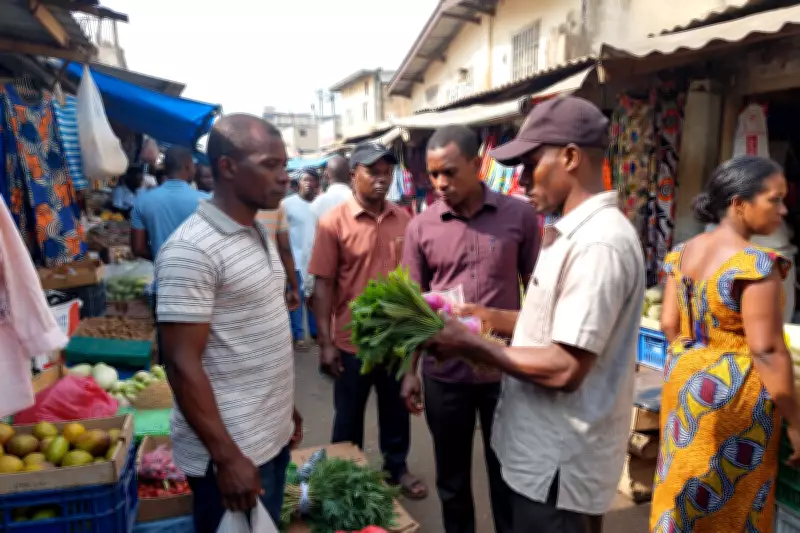
- Prioritize locally produced goods and services to maximize purchasing power. Your $100 (₦145,000) buys Nigerian rice, yams, plantains, tomatoes, and palm oil abundantly, while barely covering imported cereals or electronics.
- Time your purchases around market day cycles in your area. Prices drop 15% to 25% on market days when fresh produce arrives.
- Split large purchases across multiple vendors to negotiate better rates, consistently saving 10% to 15%.
- Invest in bulk purchases of non-perishables during low-price periods to protect against future inflation.
What Can $100 Actually Purchase in Nigeria Today?
Let's examine what $100 (approximately ₦145,000 at current rates) actually purchases across different categories:
Food and groceries: ₦145,000 comfortably covers a month's groceries for a family of four eating Nigerian staples. This includes a 50kg bag of local rice (₦68,000 to ₦75,000), beans, palm oil, tomatoes, onions, meat or fish, and vegetables.
Transportation: ₦145,000 covers approximately three to four weeks of daily commuting in Lagos using danfo buses, or five to six weeks in smaller cities like Ibadan or Kaduna.
Accommodation contribution: In most Nigerian cities outside Lagos and Abuja, ₦145,000 covers one to two months' rent for a modest room in a shared apartment. In Lagos, it might cover two to three weeks' rent for similar accommodation.
Utilities: Your ₦145,000 easily covers three months of electricity, water, mobile data, and television subscriptions, leaving ₦45,000 to ₦65,000 for other expenses.
Clothing: ₦145,000 purchases a complete modest wardrobe at Nigerian markets, including five locally made shirts, three trousers, shoes, and undergarments.
Healthcare: A basic medical consultation costs ₦5,000 to ₦15,000, with essential medications running ₦8,000 to ₦20,000. Your ₦145,000 covers several consultations plus medications, or contributes significantly toward one major procedure.
Purchasing Power Across Major Nigerian Cities
Your ₦145,000 delivers vastly different purchasing power depending on location:
- Lagos and Abuja: These cities devour money at alarming rates. ₦145,000 covers perhaps two to three weeks of moderate expenses for a single person.
- Port Harcourt: Mirrors Lagos in cost structure, with ₦145,000 managing three weeks of careful budgeting.
- Mid-sized cities like Ibadan, Kano, Kaduna, Enugu, or Jos: Offer perhaps the best purchasing power, with ₦145,000 comfortably covering three to four weeks of decent living.
- Smaller towns and rural areas: Your ₦145,000 becomes genuinely substantial, supporting four to five weeks of comfortable living for a single person.
The Inflation and Exchange Rate Volatility Factor
Nigeria's inflation rate has been running above 20% annually, meaning prices increase roughly 2% monthly on average. That ₦145,000 purchasing power from January erodes to roughly ₦142,000 equivalent by February, and ₦139,000 by March. Your dollar amount stays constant but what it buys shrinks continuously.
Exchange rate volatility adds another layer of complexity. The naira-dollar rate can swing ₦30 to ₦50 in a single week during periods of currency stress. The Central Bank of Nigeria's data shows the naira has depreciated over 80% against the dollar since 2021, moving from roughly ₦380 to ₦1,450+ per dollar currently.
Practical Shopping Strategies That Actually Work
Through extensive research and personal experience, several shopping approaches genuinely maximize your ₦145,000:
- Buy in bulk during low-price windows when supply gluts occur
- Patronize open markets rather than supermarkets for staples, saving 15% to 25%
- Negotiate everything negotiable, routinely saving 20% to 30% through polite but firm negotiation
- Join or form cooperative buying groups to unlock wholesale pricing
- Prioritize Nigerian-made products over imports whenever quality permits
Conclusion: Making Your $100 Work Harder in Nigeria
Your $100 (roughly ₦145,000 to ₦152,000) buys quite a lot in Nigeria if you're strategic, and significantly less if you're careless. The key insight is that your $100 delivers maximum value when purchasing locally produced goods and services rather than imports.
Exchange rate volatility means timing matters. Location profoundly affects purchasing power. Inflation erodes value constantly. By monitoring rates actively, choosing locations wisely, buying bulk during low-price periods, negotiating everything, building vendor relationships, and prioritizing Nigerian-made products, you can stretch $100 to cover a month of comfortable living through smart choices.
Nigeria's economic reality is challenging, but understanding how money actually works here transforms your financial outcomes. That $100 isn't just a number—it's genuine purchasing power if you know how to deploy it effectively.