
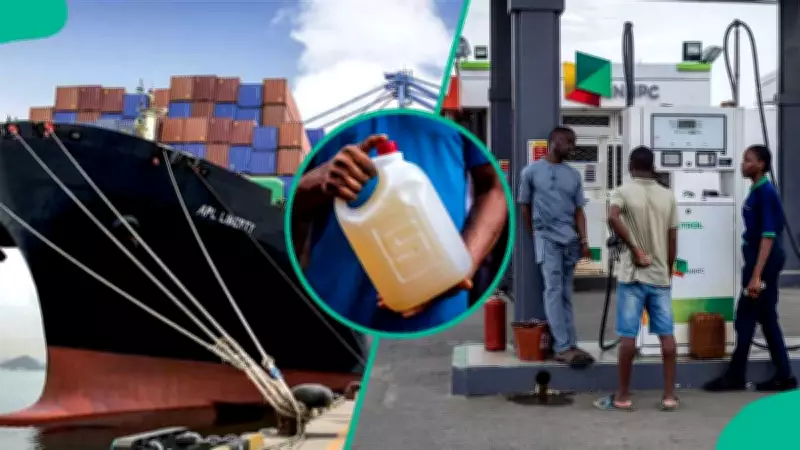
Nigeria Reopens Fuel Imports as 95,000MT of Petrol and Diesel Arrive at Lagos Ports
In a significant development for Nigeria's energy sector, five fuel vessels carrying approximately 95,000 metric tonnes of petrol and diesel have arrived at Apapa and Tincan Island ports in Lagos during the final week of March 2026. This substantial shipment coincides with the Federal Government's strategic decision to resume issuing fuel import licences, a policy reversal implemented after earlier halting imports due to improved domestic refining capacity.
Detailed Breakdown of Vessel Arrivals and Cargo
Shipping data from the Nigerian Ports Authority reveals that these vessels delivered their cargo over a concentrated two-day period between March 27 and March 29, 2026. The breakdown of shipments is as follows:
- The vessel Hudson discharged 22,000 metric tonnes of diesel at the New Oil Jetty in Apapa on March 27.
- Leste delivered 20,000 metric tonnes of diesel at the Bulk Oil Plant terminal on Saturday, March 28.
- Kingis is scheduled to bring in 15,000 metric tonnes of petrol via the Lister Oil Jetty.
- At Tincan Island, Savanna arrived with 16,000 metric tonnes of petrol.
- Kobe delivered 22,000 metric tonnes of diesel through Kirikiri Lighter Terminal facilities.
This influx provides a temporary boost to Nigeria's fuel supply stability amid ongoing concerns about energy security.
Government Policy Shift and Regulatory Approvals
The Federal Government's decision to reopen the fuel import window represents a notable policy shift. Authorities had previously halted import approvals following improvements in local refining output, with domestic production estimated at 36.5 million litres per day in February 2026. However, regulatory data indicates that the Nigerian Midstream and Downstream Petroleum Regulatory Authority has now approved the importation of approximately 180,000 metric tonnes of petrol to address sudden supply gaps.
These supply uncertainties are directly linked to geopolitical tensions in the Middle East, which have disrupted global energy markets and necessitated this strategic response from Nigerian authorities. The move underscores the fragility of Nigeria's fuel supply chain despite earlier progress toward self-sufficiency.
Industry Response and Market Dynamics
Several oil marketing companies have already begun bringing in fuel shipments following the renewed import approvals. Industry sources confirm that truck activity is expected to increase significantly around Apapa ports after weeks of reduced movement. Companies granted import licences include:
- Bono Energy
- Pinnacle
- AYM Shafa
- Matrix
- A.A. Rano
- NIPCO
Each company has been authorised to import roughly 30,000 metric tonnes, equivalent to about 40.5 million litres, bringing the total approved volume to approximately 243 million litres. This substantial import volume aims to close the sudden supply gap that emerged despite earlier assurances about domestic refining capacity.
Criticism and Price Adjustments
The decision to resume issuing petrol import licences has sparked strong criticism from energy advocates and industry analysts. Critics warn that this move could potentially reverse progress in domestic refining and expose Nigerian consumers to substandard fuel products. The policy reversal highlights the ongoing challenges in achieving sustainable energy independence.
Meanwhile, in related market developments, depot owners across Nigeria have reduced petrol prices to around N1,255 per litre, signalling potential relief for motorists. These price adjustments follow similar reductions by Dangote Petroleum Refinery, which cut its gantry price for the product. Findings indicate that several depots in Lagos, Warri, Port Harcourt, and Calabar have implemented these price reductions, reflecting changing market dynamics in response to the increased fuel supply.
The simultaneous arrival of significant fuel shipments and the government's policy reversal create a complex landscape for Nigeria's energy sector, balancing immediate supply needs against long-term goals of refining self-sufficiency and energy security.




