
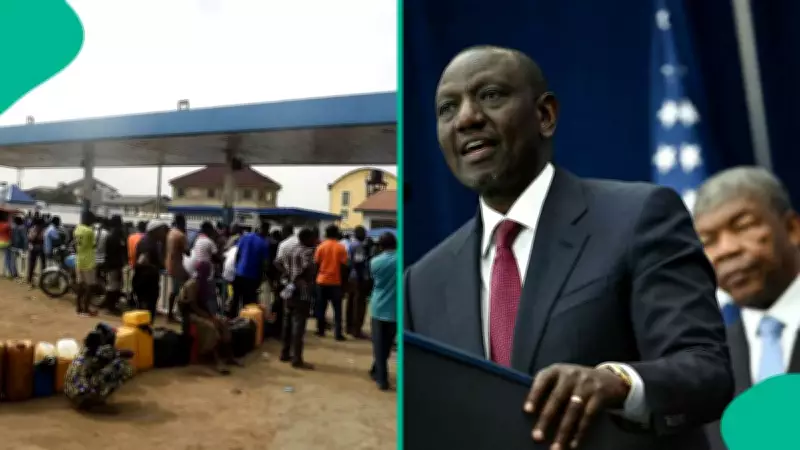
Fuel Crisis Grips Africa as US-Israel War on Iran Disrupts Energy Supplies
The ongoing conflict between the United States, Israel, and Iran has unleashed a widespread fuel crisis across Africa, with nations from Nigeria to Mauritius grappling with severe energy disruptions. Published on March 29, 2026, this escalating situation has forced governments to implement emergency measures as petrol prices soar, electricity is rationed, and energy reserves dwindle, highlighting the continent's vulnerability to global geopolitical shocks.
Nations Scramble for Alternatives Amid Soaring Costs
From soaring petrol prices in Nigeria to electricity rationing in South Sudan and energy emergencies in Mauritius, the impact is both widespread and severe. As governments race to adapt, the conflict is reshaping Africa's energy landscape in ways that could have lasting consequences, with many countries scrambling for alternatives to mitigate the fallout.
The US-Israel war on Iran has disrupted fuel supplies across Africa, creating shortages, rising costs, and forcing governments to take emergency measures. Here is a detailed look at how different nations are coping, based on reports from sources like BBC and Al Jazeera.
Country-Specific Impacts and Responses
Nigeria: Petrol prices have surged sharply from about N800 per litre to N1,500 since February 28, 2026. Labour groups are demanding wage awards, while experts insist that fuel subsidies cannot return. Although Nigeria could benefit from higher oil prices, its Dangote Refinery may not meet the continent's growing demand, adding pressure to the situation.
Ghana: Dependent on Nigeria's Dangote Refinery for relief as imports are disrupted, Ghana's reliance highlights both the importance and the limits of Nigeria's refining capacity in addressing regional energy needs.
Kenya: Already facing shortages, with 20% of petrol stations affected, Kenya is experiencing rising transport costs. The country's heavy reliance on imports leaves it exposed to global shocks, exacerbating the crisis.
South Sudan: Generating 96% of its electricity from oil but importing refined fuel, South Sudan is now implementing daily rotational power cuts in Juba. Jedco, the main distributor, explained that due to the ongoing Iran-US conflict, proactive management of available energy reserves is necessary. Businesses are struggling, and some residents are turning to costly solar power as an alternative.
Mauritius: Declaring an energy emergency after a shipment of oil failed to arrive, Mauritius has only 21 days of stock remaining. Emergency supplies from Singapore are expected on April 1, but at higher costs. Restrictions have been imposed to reduce wastage in high-consumption areas to conserve resources.
Zimbabwe: To ease shortages, Zimbabwe has raised ethanol content in petrol from 5% to 20%. Fuel prices have risen 40% in less than a month, and taxes on imports are being scrapped. Everyday life is hit hard, with vendors like Nicole Mazarura expressing concerns about survival if transport costs escalate further.
Ethiopia: Ordering suppliers to prioritise security institutions, government projects, and essential industries, Ethiopia is focusing petrol stations on public transport. In Tigray, fuel supplies have been completely suspended due to fears of renewed conflict, adding to regional tensions.
Broader Context and Historical Recognition Issues
Amid this crisis, it is noted that recognition of Israel remains limited globally. By 2023, only 165 of the 193 UN member states acknowledged Israel's sovereignty, with many Arab and Muslim-majority countries continuing to reject full diplomatic ties or recognition of Israel as a state. This historical context underscores the complex geopolitical dynamics influencing the current conflict and its ripple effects across Africa.
As Africa navigates this fuel crisis, the long-term implications for energy security, economic stability, and regional cooperation are becoming increasingly apparent, urging a reevaluation of dependency on global supply chains.




