
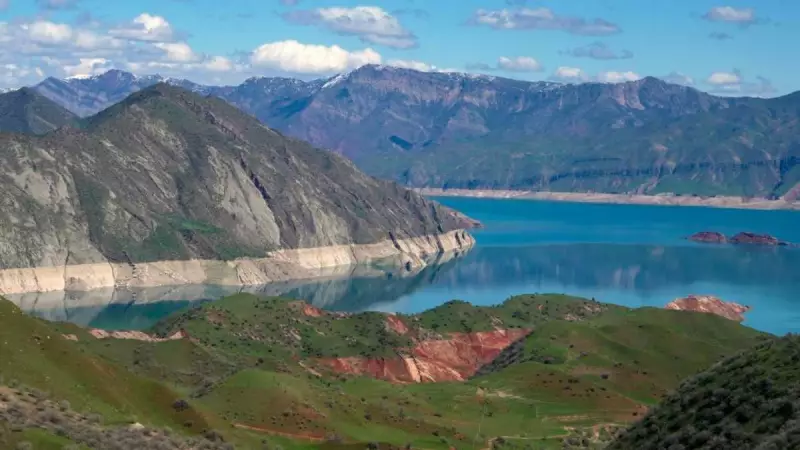
Two Central Asian nations, Kyrgyzstan and Tajikistan, are grappling with a severe energy crisis triggered by a dramatic drop in water levels at the reservoirs that power their largest hydroelectric stations.
Alarming Drop in Critical Water Reserves
Officials from both countries confirmed the dire situation this week. The two landlocked nations depend heavily on hydropower, relying on massive Soviet-era plants for their domestic electricity.
In Tajikistan, the state utility firm reported on Friday that the water level in the reservoir connected to the Nurek power plant has fallen by 2.47 metres (8.1 feet) over the past year. A day earlier, the Tajik Ministry of Energy and Water Resources had described the situation as alarming.
The crisis is equally severe in neighbouring Kyrgyzstan. President Sadyr Japarov revealed earlier this week that the reservoir feeding the Toktogul hydroelectric plant has lost a staggering two billion cubic metres (70.6 billion cubic feet) of water. This represents a loss of roughly 20 percent of its volume in just one year.
Government Imposes Strict Measures to Save Power
Faced with the energy shortfall, authorities have been forced to implement emergency measures. In Kyrgyzstan, a new directive ordered restaurants to close by 10:00 pm starting Thursday. Public establishments have also been instructed to switch off their lights by 6:00 pm to conserve electricity.
Across the border, Tajik authorities have taken a hardline approach, warning that officials who fail to curb an "irrational" use of electricity will be fired.
Power cuts are not new for either country since the collapse of the Soviet Union, particularly during winter, despite efforts to upgrade their aging energy infrastructure. The problem has been exacerbated by significant population growth in both former Soviet republics, placing immense strain on utility networks.
Long-Term Challenges and Future Projects
Kyrgyzstan and Tajikistan are home to Central Asia's primary water reserves, sharing approximately 20,000 glaciers in their mountain ranges. However, these vital resources are under threat.
Droughts and rising temperatures are hindering the natural regeneration of these glaciers, creating a long-term challenge for water and energy security.
To address the chronic energy deficit, both nations are pushing forward with the construction of new power plants designed to better utilise and store water. The Kambar-Ata plant in Kyrgyzstan and the Rogun facility in Tajikistan are seen as critical future assets. When completed, these projects could not only meet domestic demand but also potentially allow for power exports to neighbouring countries like Afghanistan and Pakistan.




